|

Holidays/Trips
China ZJJ
Tanjung Balai Karimun
Bintan Tours
Batam Tours
Belumut
INDO TOURS
Greece-Athens
Greece
Spain-Portugal
Portugal
SPAIN
Cambodia
Medan
Bali2
Kuala Lumpur
SG
Sarawak-Kuching
UK
Taiwan 2024
Israelsalem
France Swiss
Italy
Italy
France
Swiss
KK Treks
William KK Treks
William Treks
Israel 2014
Israel 2022
CHINA 2025
China Tours
China Li Jiang
China Ji An
Taiwan Tours
Hongkong Tours
Sg Tours
Asia Tours
Japan Tours
Indo Toba Tours
East Java 2023
Jakarta
Bali
Lombok
Java bromo
Malaysia Tours
Pontian Kukup
Malaysia Tours
Kuala Lumpur
PENANG
Legoland
Thailand
BKK Golf tour
Aust-NZ Tours
US Tours
Europe Tours
Golfing
Diving
Star Cruise
Speak it
Korea Tour
Korea-Jeju
Korean history
Indo Malang
China-Mongolia
Balkans
Vietnam-HCMC
Vietnam-HANOI
Batam Tours
Tioman Diving
Balkans
Eastern Europe
TURKEY
Egypt
Japan Hokkaido
NORWAY
Paul
CHINA
SOUTH AMERICA- ANTARCTICA
| | SPAIN

|
MADRID TO BARCELONA |
DAY 1 - 16 Feb 2026
HOME- MADRID
MEALS ON BOARD
DAY 2
17
Feb 2026 MADRID
MEALS ON BOARD
Guided
Tour of Madrid
See
Royal Palace Cibeles Fountain Santiago Bernabeu Stadium.
Pass
thru Peurta del Sol and Plaza Mayor.
HOTEL :
SERCOTEL ALCALA
611
C.
Alcala, 611,
San Blas-Canillejas, 28022 Madrid, Spain
DAY 3
18
Feb
2026
MADRID
Breakfast
From luxury fashion brands to delectable gastronomy, indulge in some
retail therapy at
El Corte Inglés,
Europe’s largest department store
chain. Receive a welcome VIP Rewards card complete with wine and tapas.
Afterwards, you can relax or join an
optional tour of Toledo, famously known as the city of three cultures -
Arabic, Christian,and Jewish - and a UNESCO World Heritage Site.
Toledo Map
https://www.esmadrid.com/sites/default/files/plano_turistico_toledo.pdf
https://whc.unesco.org/en/list/379/
Stop at the Mirador del Valle viewpoint that offers a panoramic view of
Toledo and the surrounding area.
HOTEL :
SERCOTEL ALCALA
611
C.
Alcala, 611,
San Blas-Canillejas, 28022 Madrid, Spain
DAY 4 19 Feb
2026 MADRID -SEGOVIA- SALAMANCA
Breakfast, Lunch - Roast Suckling Pig with Red Wine, Dinner
Drive northwest to the Old
Town of Segovia, part of the UNESCO World Heritage designation, and
enjoy an orientation tour with a local guide. Marvel at the impressive
2000-year-old
Aqueduct of
Segovia (UNESCO), one of the best-preserved Roman monuments on the
Iberian
Peninsula. Capture stunning photos of the
Segovia Cathedral and the Alcázar of Segovia. Then,
savor a sumptuous meal at Meson De Candido, a Michelin Guide restaurant,
featuring
Segovia-style roast suckling pig and red wine. In the evening, we will
stop in Salamanca for an
overnight stay.
HOTEL :
EXE
SALAMANCA
C/Alava 8-14 Salamanca
37001
Spain
DAY 5 20 Feb 2026 SALAMANCA>>PORTO
Breakfast, Dinner - Portuguese Cataplana Rice with Wine
Today we cross the border into Portugal and visit Porto. Together with
the local guide, we will tour the UNESCO
Historic Centre of Porto,
and view iconic landmarks, including Porto Se Cathedral, Torres & Igreja
dos Clerigos, and Avenida dos Aliados.
We'll also visit a Wine Cellar and have the opportunity to taste the
world-renowned Port wine, which is exclusively produce in the Douro
Valley. In the evening, we'll dine at a local restaurant and savor the
local specialty of Cataplana rice, paired perfectly with a glass of
wine.
HOTEL :
HF IPANEMA
PORTO
RUA DO
CAMPO ALEGRE
156 4150-169
PORTO
DAY 6 21 Feb
2026
PORTO>>FATIMA>> LISBON
Breakfast, Dinner - Piri Piri Chicken and Bacalhau à Bras with Green
Wine
Take a walk through Fátima, home to one of the most significant Catholic
shrines in the
world, the Sanctuary of Fátima, where four million devotees gather each
year. This is the site
where the Virgin Mary is said to have appeared to three peasant children
in 1917.
After concluding the visit, travel to
Lisbon, the capital of Portugal,
and enjoy a
delicious meal of Portuguese Piri Piri Chicken and Bacalhau à Bras,
accompanied by a glass of
green wine at a local restaurant.
HOTEL :
HF FENIX URBAN
Av. Antonio Augusto de Aguiar 14 1050-016 Lisboa
DAY 7 22 Feb
2026
LISBON
Breakfast
Today, accompanied by a local guide, discover Lisbon's vibrant city and
its UNESCO World
Heritage sites. Make a stop at the iconic Belem Tower and view the
cloisters of the Jeronimos
Monastery. Admire the Monument to the Discoveries dedicated to Prince
Henry the
Navigator. Experience the lively atmosphere of Rossio Square.
Enjoy leisure time or opt for an
excursion to Cabo da Roca, Sintra's medieval town, and the
historic fishing village of Cascais,a well-preserved fishing village
since the 12th century.
HOTEL :
HF FENIX URBAN
Av. Antonio Augusto de Aguiar 14 1050-016 Lisboa
DAY 8 23 Feb 2026 LISBON>>SEVILLE
Breakfast, Chinese Dinner
Today we cross the border back into Spain, to Seville, the capital of
Spain's Andalusia region.
Embark on a city tour led by a local guide and take in the impressive
sights that Seville has
to offer. Marvel at the Plaza de Toros, a bullring that took several
decades to construct, and the
Plaza de España, a building complex that epitomizes Spanish Renaissance
Revival architecture.
Visit the majestic Seville Cathedral (UNESCO), which houses the Tomb of
Christopher
Columbus, and the Giralda bell tower, one of the world's three remaining
Almohad minarets.
Note: Note: Please be advised that if the Seville Cathedral & Bell Tower
is closed due to early closure, festive holidays, or masses, we will
offer an alternative experience with admission to Plaza de Toros.
HOTEL :
MA SEVILLA CONGRESOS
Av. Alcalde Luis Urunuela 2 41020 Sevilla Spain
DAY 9 24 Feb 2026 SEVILLE>>CÓRDOBA>>GRANADA
Breakfast, Dinner
After departing from Seville, journey towards Córdoba, a city steeped in
ancient Roman history and renowned as a hub of Islamic culture during
the Middle Ages. With the guidance of a
local expert, explore the streets of the Historic Center of Córdoba.
We will visit the awe-inspiring Mosque-Cathedral of Córdoba, also known
as the Mezquita, a UNESCO World Heritage Site.
Following this enriching experience, continue your journey to Granada
for an overnight stay.
HOTEL :
ABADES NEVADA PALACE
Calle de la Sultana 3 18008 Granada Spain
DAY 10 25 Feb 2026 GRANADA>>VALENCIA
Breakfast, Dinner - Seafood & Squid Ink Paella with White Wine
Start your day by visiting one of Spain's major tourist attractions and
a UNESCO World Heritage
Site. The Alhambra Palace, where clay walls transform with light and
water, creating unique
effects, and the lush Generalife Gardens, with fountains once owned by
Arab kings, be
mesmerized by the greenery and the tinkling fountains. Depart for
Valencia and join a city tour with a local guide. Admire the Gothic
exterior of Valencia Cathedral and snap photos of the Torres de Serranos,
built to protect the old city.
Stop at the City of Arts & Sciences, a top modern attraction and one of
Spain's 12 Treasures.
Tonight, enhance your dining experience with two variations of Paella -
Seafood & Squid Ink Paella, and pair it with a glass of white wine
to complement the flavors.
Note: In light of the new regulations at Alhambra Palace, tour group may
be divided into various time slots without prior notification. If we are
unable to visit,we will provide a replacement visit to Alcázar of
Seville. In the event of congress or events in Valencia, hotels will be
relocated to Alicante or other cities without prior notice
HOTEL :
EUROSTARS ACTEON VALENCIA C/ de Vincente Beltran Grimal, 2, Camins
al Grau 46023 valencia Valencia Spain
DAY 11 26 Feb 2026 VALENCIA>>BARCELONA
Breakfast
Experience Barcelona, the vibrant capital of Catalonia, with a local
guide. Drive pass iconic art
buildings like Casa Batlló and Casa Milà on Passeig de Gràcia.
Step into the breathtaking La Sagrada Familia (UNESCO), one of Gaudí's
most renowned works, still under construction since 1882.
Pass by the former Bullring in Barcelona's Plaça Espanya, and also
explore the upscale boutiques at La Roca Village*, offering exclusive
designer brands at discounted prices.
If time permits, consider an optional visit to the Monastery of
Montserrat, nestled on Montserrat Mountain in Catalonia, for a deeper
cultural immersion.
Note: Please be advised that La Roca Outlet
may be subject to
replacement with La Roza Outlet without prior notice due to unforeseen
circumstances, which may include factors such as timing of Sagrada
Entrance, public holidays, and Sundays.
If the Sagrada Familia is closed due to special events or fiestas, we
will provide a
replacement visit to Park Guell, including entrance.
HOTEL :
FIRA CONGRESS
Poligono Industrial de la Pedrosa, C. de Jose Agustfn Goytisolo, 9, 11,
08908
L'Hospitaletde Llobregat,Barcelona, Spain
DAY 12 27 Feb 2026 BARCELONA>>HOME
Breakfast
Enjoy a leisurely morning after breakfast and spend some free time until
it's time to transfer to
the airport for your flight home.
HOTEL :
FIRA CONGRESS
Poligono Industrial de la Pedrosa, C. de Jose Agustfn Goytisolo, 9, 11,
08908
L'Hospitaletde Llobregat,Barcelona, Spain
DAY 13 28 Feb 2026 HOME SWEET HOME
We hope you enjoyed your trip with our company, and we look forward to
seeing you again
EXCURSIONS:
MADRID - TOLEDO E65
SEVILLE- FLEMENGO SHOW-E55
BARCELONA- SANTUARY OF MONTSERRAT -E79
LISBON- CABO DA ROCA - E75
|
| RUN MADRID
For a 6 km running route
starting and ending at Sercotel Alcalá 611,
you are in an excellent location near two of Madrid's most
popular parks for runners.
### **The 6 km Loop: Parque Juan Carlos I**
The most scenic and runner-friendly 6 km route involves a quick jog to
Parque Juan Carlos I, which is just about 1.5 km from your hotel.
By running to the park,
completing a loop of its main perimeter, and returning, you will
hit almost exactly 6 km.
* **Route Details:** * **The Approach:**
Exit the hotel and head north on Calle de Alcalá toward the Glorieta
de Canillejas.
Cross over the M-40 bridge to enter the park.
* **The Loop:** Follow the "Sculpture Path," a well-marked 3 km internal
loop, or take the wider outer perimeter for a longer stretch.
* **Atmosphere:** This is a vast, modern urban oasis featuring
large-scale sculptures, olive groves, and a lake.
* **Surface:** Mostly paved and very wide, making it ideal for a steady
pace without traffic.
###
**Alternative: Parque de la Quinta de los Molinos**
If you prefer a more shaded, dirt-path environment, you can head
southwest to Parque de la Quinta de los Molinos.
* **Route Details:**
* **The Approach:** Head south on Calle de Alcalá.
The park entrance is roughly 1.4 km away.
* **The Loop:** A full perimeter run of this park combined with the
out-and-back from your hotel will total approximately 5–6 km depending
on how many internal paths you explore.
* **Atmosphere:** Famous for its almond trees, this park feels more like
a rustic estate. It is much quieter and offers a peaceful
"disconnection" from the city.
* **Surface:** A mix of asphalt and well-maintained dirt paths.
|
| |
| |
| Spain
Key Historical Milestones of Spain
-
Prehistoric & Ancient Era
-
Altamira Cave Paintings
(c. 35,000 BCE): Among the oldest known human art.
-
Iberians, Celts, and Phoenicians:
Early settlers on the peninsula.
-
Roman Rule (218 BCE – 476 CE):
Spain (Hispania) became a key province of the Roman
Empire—roads, aqueducts, Latin language introduced.
-
Visigothic Kingdom (5th–8th Century)
-
After Rome's fall, the Visigoths established a kingdom in
Toledo—precursor to Christian Spain.
-
Muslim Conquest (711 CE)
-
Moors from North Africa invaded and ruled much of Spain for
nearly 800 years.
-
Al-Andalus
became a center of science, architecture, and culture—especially
in Córdoba and Granada.
-
Reconquista (722–1492)
-
Christian kingdoms in the north gradually reclaimed territory.
-
1492:
Fall of Granada marked the completion of the Reconquista and
unification under Ferdinand and Isabella.
-
Age of Exploration & Empire (16th–17th Century)
-
Spain became a global superpower with colonies across the
Americas, Africa, and Asia.
-
Wealth from gold, silver, and trade funded a Golden Age in art
(e.g., Velázquez, El Greco) and literature (Cervantes).
-
18th–19th Century: Decline and Instability
-
Lost most colonies during independence movements.
-
Napoleon invaded in 1808 (Peninsular War), leading to national
resistance and the beginning of liberal ideas.
-
20th Century
-
Spanish Civil War (1936–1939):
Conflict between Republicans and Franco’s Nationalists.
-
Franco Dictatorship (1939–1975):
Repressive rule, but some economic modernization.
-
1975:
Franco’s death led to transition to democracy under King Juan
Carlos I.
-
Modern Era
-
Joined the EU in 1986 and adopted the Euro.
-
Developed a decentralized system granting autonomy to 17
autonomous communities (like Catalonia and Basque Country).
-
Ongoing debates over independence movements and economic
reforms.

🏙️
Major Cities and Towns of Spain & Their Significance
|
City |
Significance |
|
Madrid |
Capital city, political and financial center. Home to Royal
Palace and Prado Museum. |
|
Barcelona |
Capital of Catalonia; cultural hub known for Gaudí
architecture and independence movement. |
|
Seville (Sevilla) |
Historic center of Andalusian culture; flamenco, Moorish
architecture, and Columbus' tomb. |
|
Valencia |
Known for science, arts, and the famous "City of Arts and
Sciences." Also birthplace of paella. |
|
Granada |
Home to Alhambra Palace; symbol of Islamic Spain and the
Reconquista. |
|
Bilbao |
Basque Country’s industrial and cultural hub; home to the
Guggenheim Museum. |
|
Toledo |
Former capital; known for its Christian, Jewish, and Muslim
heritage. |
|
Santiago de Compostela |
Pilgrimage site and capital of Galicia. |
|
Málaga |
Coastal city on Costa del Sol; Picasso’s birthplace, growing art
scene. |
|
Zaragoza |
Historical significance since Roman times; major logistics and
transport hub. |
🌍
Racial and Geographical Character of Spain
🧬
Racial/Ethnic Composition
-
Predominantly European (Spanish/White)
– over 80%
-
Regional ethnic identities
strongly persist:
-
Catalans
(Catalonia) – distinct language and culture.
-
Basques
(Basque Country) – non-Indo-European language (Euskara),
strong independence sentiment.
-
Galicians
(Galicia) – Celtic influence, speak Gallego.
-
Andalusians
– influenced by centuries of Arab/Moorish rule.
-
Roma (Gitanos)
– Important in flamenco and Andalusian culture.
-
Immigrant Communities:
-
North Africans (Morocco), Latin Americans (Ecuador, Colombia),
Sub-Saharan Africans, Chinese, Eastern Europeans.
🏞️
Geographical Character by Region
of Spain
|
Region |
Features |
|
Northwest (Galicia, Asturias) |
Green, rainy, Atlantic coast, Celtic roots. Fishing and seafood
culture. |
|
Northeast (Catalonia) |
Mediterranean coast, industrialized, modernist architecture
(e.g., Barcelona). |
|
Basque Country (North Central) |
Rugged coastline and mountains, strong local identity, economic
strength. |
|
Central Plateau (Castile & Madrid) |
Dry, high plains (meseta), political center, historical
heartland. |
|
Andalusia (South) |
Hot and arid, Moorish heritage (Alhambra, Mezquita), flamenco,
olives and agriculture. |
|
Eastern Spain (Valencia, Murcia) |
Mediterranean climate, agriculture (especially citrus), beaches. |
|
Canary Islands |
Volcanic archipelago off Africa’s coast; tropical tourism and
biodiversity. |
|
Balearic Islands (Mallorca, Ibiza) |
Popular tourist destinations, Mediterranean beauty, mix of
Spanish and Catalan cultures. |
Spain
-
Average temperatures across the
country range from about 7–16 °C (45‑60 °F)
globalhighlights.com.
-
By
region:
-
Central Spain (Madrid, Toledo):
Highs ~11–14°C, lows ~1–4 °C (34‑39 °F)
Rough Guides.
-
Northeast (Barcelona): Highs
~13–16 °C, lows ~6–8 °C (42‑46 °F)
Rough Guides.
-
Andalucía (Seville, Granada, Córdoba):
Mild and relatively pleasant—highs
around 16–18 °C, lows around 6–8 °C
Rough Guides.
-
Northern Spain (Santiago de Compostela,
Bilbao): Cooler and wetter;
highs ~11–13 °C, lows ~5–7 °C
Rough Guidestuiholidays.ieen.wikipedia.org.
-
Precipitation & Sunshine: Spain
averages around 4 cm of rain (about 5 rainy
days per month), with ~6 hours of sun daily
globalhighlights.comRough
Guides.
Would you like this as a presentation format, summary sheet,
or map-based infographic?
Spain –
Slide show History, Cities, People, and
Geography
Slide 1: Title Slide
Title:
Spain: A Journey Through History, Cities, and Culture
Subtitle: Key Milestones, Major Cities, and Regional Diversity
Visual: Map of Spain with flag overlay
Slide 2: Introduction
-
Spain has a rich history of empires, cultures, and regional
identities.
-
From ancient cave art to a modern European democracy.
-
This presentation covers:
-
Key historical milestones
-
Major cities and their importance
-
Racial and geographic diversity
Slide 3: Ancient and Medieval Milestones
Title:
Foundations of Spain
-
Prehistoric: Altamira cave paintings (~35,000 BCE)
-
Roman rule (218 BCE – 476 CE): Infrastructure and Latin
-
Visigothic Kingdom: Christian legacy before Muslim arrival
-
Moorish Spain (711–1492): Al-Andalus, science, and architecture
Visual: Photos of Roman aqueduct in Segovia and Alhambra in
Granada
Slide 4: Birth of a Nation
Title:
The Reconquista and Unification
-
722–1492: Christian reconquest of Muslim territories
-
1492: Fall of Granada + Columbus’ voyage → global empire
-
Catholic Monarchs unify Spain
Visual: Painting of Ferdinand and Isabella; map of
Reconquista
Slide 5: Empire and Decline
Title:
Rise and Fall of a Global Empire
-
16th–17th century: Colonies across the world
-
Golden Age in arts and literature (Cervantes, Velázquez)
-
19th century: Wars and collapse of overseas empire
Visual: Old Spanish galleon; world map with Spanish colonies
Slide 6: Civil War and Modern Spain
Title:
From Civil War to Democracy
-
1936–39: Spanish Civil War → Franco dictatorship
-
1975: Death of Franco → democratic transition
-
1986: Joins European Union
Visual: Photo of Franco, King Juan Carlos, and the Spanish
Parliament
Slide 7: Major Cities and Their Significance
|
City |
Why It Matters |
|
Madrid |
Capital, royal palace, financial hub |
|
Barcelona |
Catalan culture, Gaudí, separatism |
|
Seville |
Andalusian culture, flamenco, history |
|
Granada |
Alhambra and Islamic heritage |
|
Valencia |
Modern arts, paella, beaches |
|
Bilbao |
Basque culture, Guggenheim Museum |
|
Visual:
City skylines or map with city markers |
|
Slide 8: Cultural & Ethnic Diversity
Title:
People of Spain
-
Spaniards:
Majority ethnic group
-
Catalans, Basques, Galicians:
Distinct languages, cultures, identities
-
Andalusians:
Deep Moorish and Roma influences
-
Roma (Gitanos):
Core of flamenco tradition
-
Immigrants: Latin American, North African, Eastern European
Visual: Ethnic map or cultural costumes
Slide 9: Geographical Diversity
Title:
Landscapes Across Spain
|
Region |
Traits |
|
Galicia & Asturias |
Green, Atlantic coast, Celtic roots |
|
Basque Country |
Mountains, coast, economic strength |
|
Castile (central) |
High plains, historic cities |
|
Andalusia |
Hot, Moorish legacy, flamenco |
|
Valencia & Murcia |
Citrus farming, Mediterranean culture |
|
Canary Islands |
Volcanic, tropical, off Africa |
|
Balearic Islands |
Island tourism, party & culture |
|
Visual:
Terrain map or landscape photos |
|
Slide 10: Conclusion
-
Spain is a tapestry of cultures, cities, and landscapes.
-
Its past shapes its regional identities today.
-
From empires to modern Europe, Spain remains a land of contrasts and
unity.
Slide 11: Thank You
Visual:
Spanish flag or collage of cities
Optional Text: Questions?
what are the important and popular wine of spain and major vineyard
cities and towns of spain
ChatGPT said:
Spain is one of the world’s top wine producers, known for its
incredible diversity in grape varieties, terroir, and
wine styles—from bold reds to sparkling cavas and
fortified sherries. Here's a breakdown of the most important and
popular wines of Spain, along with major wine-producing regions
and towns:
🍷
Popular and Important Wines of Spain
1.
Tempranillo (Red)
-
Spain’s most famous red grape.
-
Produces bold, structured wines with notes of cherry, plum, leather,
and spice.
-
Often oak-aged (e.g., Crianza, Reserva, Gran
Reserva).
Famous Regions:
Rioja, Ribera del Duero, Toro
2.
Albariño (White)
-
Crisp, aromatic white wine with flavors of citrus, peach, and
minerality.
-
Pairs well with seafood.
Famous Region:
Rías Baixas (Galicia)
3.
Garnacha (Grenache)
-
Fruity, spicy red wine; often used in blends.
-
Also produces refreshing rosés (rosado).
Famous Regions:
Priorat, Aragón, Navarra
4.
Cava (Sparkling)
-
Spain’s answer to Champagne.
-
Made using the traditional method (second fermentation in bottle).
-
Usually made from Macabeo, Parellada, and Xarel·lo
grapes.
Famous Region:
Penedès (Catalonia)
5.
Sherry (Fortified)
-
Dry to sweet fortified wine.
-
Styles include Fino, Manzanilla, Amontillado,
Oloroso, and Pedro Ximénez.
Famous Region:
Jerez de la Frontera (Andalusia)
6.
Verdejo (White)
-
Refreshing, slightly herbaceous white.
-
Often compared to Sauvignon Blanc.
Famous Region:
Rueda
7.
Mencía (Red)
-
Elegant, mineral-driven red from the northwest.
-
Similar to Pinot Noir or Syrah in style.
Famous Region:
Bierzo (Castilla y León)
🍇
Major Wine Regions, Cities, and Towns of Spain
Here are the key DO (Denominación de Origen) regions and their
notable towns/cities:
|
Region |
Key Towns/Cities |
Known For |
|
Rioja |
Haro, Logroño |
Spain’s flagship red wines (Tempranillo, Garnacha) |
|
Ribera del Duero |
Peñafiel, Aranda de Duero |
Bold Tempranillo reds; high altitude vineyards |
|
Rías Baixas |
Cambados, Pontevedra |
Albariño whites; coastal influence |
|
Penedès |
Sant Sadurní d'Anoia, Vilafranca del Penedès |
Home of Cava, diverse wines |
|
Jerez (Sherry Triangle) |
Jerez de la Frontera, Sanlúcar de Barrameda, El Puerto de Santa
María |
Sherry wines |
|
Priorat |
Gratallops, Falset |
Powerful, mineral-rich reds (Garnacha, Cariñena) |
|
Toro |
Toro (Zamora province) |
Robust, dark reds from Tinta de Toro (Tempranillo variant) |
|
Rueda |
La Seca, Rueda |
Verdejo whites |
|
Bierzo |
Ponferrada, Cacabelos |
Mencía reds; mountainous terrain |
|
Navarra |
Pamplona, Olite |
Versatile region: reds, rosés, and whites |
|
La Mancha |
Alcázar de San Juan, Tomelloso |
World’s largest wine region; value wines; Airén & Tempranillo |
|
Somontano |
Barbastro |
Modern-style wines; diverse grape varieties |
🗺️
Want a Map?
Absolutely! To enhance your understanding of Spain's wine regions, here
are some valuable resources:
-
Wine Folly's Spain Wine Map:
An interactive map detailing Spain's diverse wine regions, grape
varieties, and key characteristics.
Wine Folly
-
Vineyards.com's Spain Wine Map:
A comprehensive map showcasing various Denominación de Origen (DO)
regions across Spain.
vineyards.comWine
Scholar Guild
-
Wine Scholar Guild's Spain Wine Regions Map:
An educational map illustrating Spain's quality wine regions and
appellations.
Wine Scholar GuildWine Scholar Guild
Exploring these maps will provide a visual representation of Spain's
rich viticultural landscape, helping you appreciate the geographical
diversity and regional specialties of Spanish wines.

Sources
Please help me list out the iconic unesco sites in spain and summarise
their significance
ChatGPT said:
Spain is home to 50 UNESCO World Heritage Sites, ranking it among
the top countries in the world. These sites reflect its rich history,
diverse cultures, and architectural brilliance. Here's a curated
list of the most iconic UNESCO sites in Spain with brief
summaries of their significance:
🇪🇸
Iconic UNESCO World Heritage Sites in Spain
1.
Alhambra, Generalife, and Albayzín (Granada)
-
Why it’s iconic:
A stunning palace-fortress complex from Moorish Spain; a pinnacle of
Islamic art and architecture in Europe.
-
Highlights:
Intricate tilework, lush gardens, and panoramic views of Granada.
2.
Sagrada Família and Works of Antoni Gaudí (Barcelona)
-
Why it’s iconic:
Gaudí’s unique, nature-inspired architecture helped define modernist
Catalonia.
-
Highlights:
Sagrada Família, Park Güell, Casa Batlló, and Casa Milà.
3.
Historic Centre of Córdoba
-
Why it’s iconic:
A blend of Islamic, Christian, and Jewish heritage, symbolized by
the Mezquita-Catedral—a mosque-turned-cathedral.
-
Highlights:
Roman bridge, Jewish quarter, Moorish architecture.
4.
Old Town of Santiago de Compostela (Galicia)
-
Why it’s iconic:
Final destination of the Camino de Santiago pilgrimage route.
-
Highlights:
Romanesque cathedral housing the tomb of Saint James.
5.
Burgos Cathedral
-
Why it’s iconic:
One of Europe’s finest Gothic cathedrals.
-
Highlights:
Elaborate spires, stained glass, and royal tombs.
6.
Monastery and Site of the Escurial (San Lorenzo de El Escorial)
-
Why it’s iconic:
Royal residence, monastery, and historical archive built by King
Philip II.
-
Highlights:
Symbol of Spain's imperial power in the 16th century.
7.
Historic Centre of Toledo
-
Why it’s iconic:
Known as the “City of Three Cultures” (Christian, Muslim, Jewish).
-
Highlights:
Alcázar, Gothic cathedral, synagogues, and narrow medieval streets.
8.
Historic City of Segovia and its Roman Aqueduct
-
Why it’s iconic:
Houses the best-preserved Roman aqueduct in Spain and a
fairytale-like Alcázar.
-
Highlights:
Gothic cathedral, Roman engineering.
9.
Altamira Cave (Cantabria)
-
Why it’s iconic:
Contains some of the earliest and most impressive prehistoric
cave paintings.
-
Highlights:
Over 35,000 years old depictions of bison and horses.
10. University and Historic Quarter of Salamanca
-
Why it’s iconic:
One of Europe’s oldest universities; a center of learning and
Renaissance architecture.
-
Highlights:
Plateresque façade, cathedral, and the famous frog carving.
11. Aranjuez Cultural Landscape
-
Why it’s iconic:
A royal estate blending nature, art, and architecture along the
Tagus River.
-
Highlights:
Royal Palace, landscaped gardens, and historic irrigation systems.
12. Ibiza, Biodiversity and Culture
-
Why it’s iconic:
Mixes Phoenician archaeological sites, historic citadels, and
Mediterranean marine ecosystems.
-
Highlights:
Dalt Vila fortress, seagrass meadows.
13. Garajonay National Park (La Gomera, Canary Islands)
-
Why it’s iconic:
Preserves rare laurel forest, a type of prehistoric
vegetation.
-
Highlights:
Misty forests, unique biodiversity.
14. Tower of Hercules (A Coruña, Galicia)
-
Why it’s iconic:
The oldest functioning Roman lighthouse in the world.
-
Highlights:
Coastal views and maritime heritage.
15. Doñana National Park (Andalusia)
-
Why it’s iconic:
A crucial wetland ecosystem and bird migration stopover.
-
Highlights:
Lynxes, flamingos, marshes.
🧭
Want More?
Would you like a map or downloadable guide summarizing these
sites for travel or study purposes?
Certainly! Here's a curated list of some of Spain's most iconic UNESCO
World Heritage Sites, along with brief summaries of their significance:
🇪🇸
Iconic UNESCO World Heritage Sites in Spain
2
1.
Alhambra, Generalife, and Albayzín (Granada)
-
Significance:
A masterpiece of Islamic architecture, the Alhambra is a palace and
fortress complex that showcases the splendor of the Nasrid dynasty.
The Generalife gardens and the Albayzín district reflect the rich
Moorish heritage of Granada.
2.
Works of Antoni Gaudí (Barcelona)
-
Significance:
Gaudí's unique architectural style is epitomized in structures like
the Sagrada Família, Park Güell, and Casa Batlló, blending Gothic
and Art Nouveau forms with naturalistic elements.
3.
Historic Centre of Córdoba
-
Significance:
Once the capital of the Islamic Emirate and then Caliphate of
Córdoba, the city boasts the Mezquita-Catedral, a mosque-cathedral
symbolizing the confluence of Muslim and Christian cultures.
4.
Old Town of Santiago de Compostela (Galicia)
-
Significance:
The culmination point of the Camino de Santiago pilgrimage route,
the city's cathedral is believed to house the remains of Saint James
the Great, making it a significant religious site.
5.
Burgos Cathedral
-
Significance:
An exemplary Gothic cathedral known for its vast size and unique
architecture, it has been a significant religious center since the
13th century.
6.
Monastery and Site of the Escurial (San Lorenzo de El Escorial)
-
Significance:
A historical residence of the King of Spain, this complex functions
as a monastery, royal palace, museum, and school, reflecting the
Spanish Renaissance style.
7.
Historic City of Toledo
-
Significance:
Known as the "City of Three Cultures" for its historical
co-existence of Christian, Muslim, and Jewish communities, Toledo's
architecture reflects this rich cultural tapestry.
8.
Old Town of Segovia and its Aqueduct
-
Significance:
The Roman aqueduct is one of the best-preserved elevated Roman
aqueducts, and the city's medieval architecture adds to its
historical value.
9.
Cave of Altamira and Paleolithic Cave Art of Northern Spain
-
Significance:
Dubbed the "Sistine Chapel of Paleolithic Art," the cave features
prehistoric paintings and engravings dating back over 14,000 years.
10. University and Historic Precinct of Alcalá de Henares
-
Significance:
The birthplace of Miguel de Cervantes, this city is notable for its
university, which played a significant role in the spread of the
Spanish language and culture.
11. Aranjuez Cultural Landscape
-
Significance:
A royal site where the natural landscape was transformed into a
harmonious blend of gardens, orchards, and architectural works,
reflecting the ideals of the Enlightenment.
12. Ibiza, Biodiversity and Culture
-
Significance:
Beyond its beaches, Ibiza boasts rich biodiversity and
archaeological sites from the Phoenician era, showcasing the
island's historical significance.
13. Garajonay National Park (La Gomera, Canary Islands)
-
Significance:
Home to a dense laurel forest, this park preserves a type of
vegetation that covered much of Southern Europe millions of years
ago.
14. Tower of Hercules (A Coruña, Galicia)
-
Significance:
An ancient Roman lighthouse that has been in continuous operation,
symbolizing maritime heritage and engineering prowess.
15. Doñana National Park (Andalusia)
-
Significance:
A vital wetland reserve and migratory bird sanctuary, the park is
crucial for biodiversity conservation in Europe.
For a comprehensive list and interactive map of all UNESCO World
Heritage Sites in Spain, you can visit the official UNESCO website:
UNESCO World Heritage Centre.
If
you're interested in a downloadable guide or a customized itinerary
focusing on these sites, feel free to ask!
Sources
|
| TOLEDO
Historic Centre of Toledo
-
Why it’s iconic:
Known as the “City of Three Cultures” (Christian, Muslim, Jewish).
-
Highlights:
Alcázar, Gothic cathedral, synagogues, and narrow medieval streets.
Toledo, known as the
"City of the
Three Cultures," is a UNESCO World Heritage site where
Christian, Muslim, and Jewish histories are physically layered
on top of one another. Because the city is built on a steep hill
surrounded by the Tagus River, its medieval layout remains
remarkably intact.
Here are the key attractions you
shouldn't miss:
1. The Big Three (Iconic Landmarks)
-
Toledo
Cathedral (Catedral Primada): Often cited as the finest
Gothic cathedral in Spain. Inside, don't miss the
Transparente (a stunning Baroque skylight) and the
Sacristy, which functions like a mini-Prado museum with
original works by
El
Greco, Goya, and Titian.
-
The
Alcázar of Toledo: This massive stone fortress dominates
the city's highest point. It currently houses the
Army
Museum, where you can see everything from medieval armor
to remains of the Roman palace that originally stood there.
-
Monastery of San Juan de los Reyes: Built by the
Catholic Monarchs, this late-Gothic masterpiece features a
breathtaking two-story cloister and intricate "Mudéjar"
(Moorish-influenced) ceilings.
2. The Jewish Quarter & Religious
Heritage
Toledo is one of the few places in
Europe where you can visit a 10th-century mosque and medieval
synagogues within a five-minute walk.
-
Synagogue of Santa María la Blanca: Famous for its
forest of white horseshoe arches. Though it was later
converted to a church, its Islamic-style architecture is a
perfect example of the city's cultural blend.
-
Synagogue of El Tránsito & Sephardic Museum: Features
incredible Hebrew inscriptions and a museum dedicated to the
history of Jewish culture in Spain.
-
Mosque
of Cristo de la Luz: Dating back to 999 AD, it is the
oldest standing monument in the city and remarkably
well-preserved.
3. Art & Panoramic Views
-
Church
of Santo Tomé: Visitors flock here for a single reason:
to see El Greco’s masterpiece,
The
Burial of the Count of Orgaz.
-
Mirador
del Valle: For the classic "postcard" shot of Toledo,
you must leave the city walls and cross the river to this
viewpoint. It’s especially magical at sunset when the stone
buildings glow orange.
-
Medieval
Bridges: Walk across the
Puente
de San Martín or the
Puente
de Alcántara for dramatic views of the river gorge and
the city’s fortifications.
Pro-Tips for
Your Visit
-
Wear
Walking Shoes: The streets are steep, narrow, and paved
with cobblestones.
-
The
Tourist Wristband: If you plan on seeing multiple sites
(like the synagogues, San Juan de los Reyes, and Santo Tomé),
buy the
Toledo Tourist Wristband (Pulsera Turística). It costs
around
€12
and grants access to seven key monuments.
-
Souvenirs: Toledo is world-famous for its
Damascene steel (black steel inlaid with gold/silver)
and its
marzipan, which has its own protected status.
Would you like me to
put together a 1-day walking itinerary that hits the best of
these spots?
Zocodover Square
Category:📍 Town square
Click to open side panel for more information
Toledo is a labyrinth of medieval history, and starting at the bustling
Zocodover SquareClick to open side panel for more information is the
perfect way to begin your walking tour. This 1-day itinerary focuses on
the "City of Three Cultures," taking you through iconic landmarks while
utilizing the "Toledo Tourist Wristband" (Pulsera Turística), which
grants access to seven key monuments.
Morning: Imperial Splendor and Gothic Grandeur
Begin your journey at the heart of the city before heading to its most
imposing structures.
Alcázar de Toledo
Star rating: 4.6 out of 5 stars
4.6
Closed · Opens Sunday 10:00 AM
Click to open side panel for more information
“C'mon, what's not to like? Built on top of an old Roman fortress and
evidently had an old water source? Been through the ages with Romans,
Visigoths, Muslims and Spanish monarchs... And even withstood a siege
and bombardment less than 100 years ago during Spanish civil war. This
is a cool place to visit.”Opens in a new window
Eric Merten
Alcázar de ToledoClick to open side panel for more information is a
former fortified royal palace that dominates the city skyline and now
houses a fascinating military museum.
Offers panoramic views of the city and the Tagus River from its elevated
position.
Features a rich history ranging from Roman times to the Spanish Civil
War.
Catedral Primada de Toledo
Star rating: 4.7 out of 5 stars
4.7
Category:📍 Church
Closed · Opens Sunday 2:00 PM
Click to open side panel for more information
“If you have been traveling throughout Europe, you will likely have
visited many cathedrals during your time and you might be thinking that
they are all starting to look alike. Ordinarily, I would agree, however
I would highly recommend going out of your way to visit this cathedral
in the town of Toledo. This cathedral is truly amazing and to a
completely different scale of most other cathedrals that you have
visited before. It lies within Toledo old town. There is a fee to enter,
you can purchase tickets opposite the entrance to the cathedral. Once
inside, you are welcome to walk around and explore. The scale is so much
grander than any other cathedral and you can easily spend 30 minutes
walking through to take it all in. Take your time to appreciate the
scale of the cathedral and what it has on display. It is a privilege to
be able to visit and experience. Consider how the world would have
looked when the cathedral was first built and in its glory days.”Opens
in a new window
Trey Saunders
Catedral Primada de ToledoClick to open side panel for more information
is a masterpiece of Spanish Gothic architecture, often considered one of
the most important cathedrals in the country.
Houses an incredible collection of art, including works by El Greco and
Goya.
Features an ornate choir, a stunning sacristy, and the famous "Transparente"
altarpiece.
Afternoon: The Three Cultures (Wristband Route)
After exploring the Cathedral, activate your tourist wristband to visit
a series of historic religious sites clustered in the Jewish Quarter and
nearby areas.
Iglesia de Santo Tomé
Star rating: 4.4 out of 5 stars
4.4
Category:⛪ Church
Closed · Opens Sunday 10:00 AM
Click to open side panel for more information
“The Iglesia de Santo Tomé in Toledo Spain is a tiny church home to the
incredible El Greco masterpiece, The Burial of the Count of Orgaz. The
painting alone makes it worth the visit! Be prepared to move very slowly
in a line through a tight space with lots of people. They crowd is
guided forward every few minutes. Tickets are required at the entrance,
not expensive. This is a quick but memorable stop! Pictures and videos
are allowed. Greco has become one of my top ten favorite artists after
visiting Spain!”Opens in a new window
How it is Liz
Iglesia de Santo ToméClick to open side panel for more information is a
modest 14th-century church that holds one of the world's most famous
paintings.
Home to El Greco’s masterpiece, "The Burial of the Count of Orgaz."
Features a beautiful Mudejar-style bell tower.
Sinagoga de Santa María La Blanca
Star rating: 4 out of 5 stars
4
Category:📍 Synagogue
Closed · Opens Sunday 10:00 AM
Click to open side panel for more information
“Santa Maria La Blanca is a beautiful monument with stunning whitewash
walls and arches in Toledo Spain! Full of history as both a synagogue
and later a church. Now its a historic monument not used for religious
services. Its very quiet, peaceful, and affordable to visit (about 3
Euro or included with the Toledo Tourist Bracelet). One of my favorite
stops in Toledo not only for its unique beauty but it slowed down the
pace and wasn't as crazy busy as some in Spain. It is small and you dont
need alot of time to visit to see it all. Maybe 20 minutes max.
Definitely worth stopping in!”Opens in a new window
How it is Liz
Sinagoga de Santa María La BlancaClick to open side panel for more
information is an exquisite example of Mudejar architecture,
characterized by its white horseshoe arches and intricate carvings.
Considered the oldest synagogue building in Europe still standing.
Reflects the unique cultural blend of medieval Toledo, having been built
by Islamic craftsmen for Jewish use.
Monasterio de San Juan de los Reyes
Star rating: 4.7 out of 5 stars
4.7
Category:📍 Place of worship
Closed · Opens Sunday 10:00 AM
Click to open side panel for more information
“The Monastery of San Juan de los Reyes is one of the most beautiful and
peaceful places in Toledo. The architecture is breathtaking, especially
the cloister with its detailed stone carvings and quiet garden. The mix
of Gothic and Mudejar styles makes it truly unique. It’s not as crowded
as other attractions, so you can take your time and really enjoy the
atmosphere. Definitely worth a visit!”Opens in a new window
Lala
Monasterio de San Juan de los ReyesClick to open side panel for more
information was commissioned by the Catholic Monarchs and stands as a
pinnacle of the Isabelline Gothic style.
Features a two-tiered cloister with highly detailed stone carvings.
Displays chains on its exterior walls, symbolizing the liberation of
Christian prisoners.
Late Afternoon: Hidden Gems and Final Views
Conclude your loop by visiting the remaining wristband sites and taking
in the city's diverse heritage.
Mezquita del Cristo de la Luz
Star rating: 4.2 out of 5 stars
4.2
Category:🕌 Mosque
Closed · Opens Sunday 10:00 AM
Click to open side panel for more information
“The place is no longer functioned as praying place, neither as a mosque
nor as a chapel, but as a museum. You should visit its garden. You’ll
have a beautiful view point to the city below.”Opens in a new window
dian indah purnama
Mezquita del Cristo de la LuzClick to open side panel for more
information is one of the best-preserved Moorish structures in the city,
originally built as a small mosque in 999 CE.
Showcases a blend of Islamic and later Christian architectural
additions.
Located near the Puerta del Sol, offering a glimpse into the city's
ancient gate system.
Iglesia de los Jesuitas (San Ildefonso)
Star rating: 4.5 out of 5 stars
4.5
Category:⛪ Church
Closed · Opens Sunday 10:00 AM
Click to open side panel for more information
“Beautiful and peaceful temple. Iglesia de los Jesuitas (San Ildefonso)
is a stunning church with impressive architecture and a serene
atmosphere. The interior is beautifully decorated, making it a great
place for quiet reflection. Definitely worth a visit if you’re in the
area.”Opens in a new window
Nazarii Pavlyna
Iglesia de los Jesuitas (San Ildefonso)Click to open side panel for more
information is a Baroque church that offers what many consider the best
views in the city.
Visitors can climb the twin towers for a 360-degree vista of Toledo’s
rooftops and the Cathedral.
Features a grand white interior filled with impressive altarpieces.
Real Colegio Doncellas Nobles
Star rating: 4.2 out of 5 stars
4.2
Category:🏛️ Museum
Closed · Opens Sunday 10:00 AM
Click to open side panel for more information
“Not that big, but it's still beautiful. Just look at the pictures. And
if you have the Toledo Museum Pass, don't miss it.”Opens in a new window
Dan M
Other monuments included in your wristband that are well worth the quick
stop as you walk between the major sites include Real Colegio Doncellas
NoblesClick to open side panel for more information and the
archaeological remains at Iglesia del SalvadorClick to open side panel
for more information.
|
|
MADRID
I want to do a simple presentation on Madrid - what are some of the
iconic bldgs, and significance and general make up of the city ,
population and Unesco sites
Of course! Here is a simple, structured presentation on Madrid. You can
use this as a script or as bullet points for your slides.
Presentation: Madrid, The Vibrant Heart of Spain
(Slide 1: Title Slide)
-
Title: Madrid:
The Vibrant Heart of Spain
-
Subtitle: A
City of Royalty, Art, and Life
-
Image: A
stunning picture of the Royal Palace or the Plaza Mayor.
(Slide 2: Introduction & General Makeup)
-
Headline: Welcome
to Madrid!
-
Significance: Madrid
is the capital city of Spain and its political, economic, and
cultural center. It's known for its energetic atmosphere, rich
history, and vibrant nightlife.
-
General Makeup:
-
Location: Situated
right in the center of the Iberian Peninsula.
-
The Center: The
city is built around the Puerta del Sol, considered the
symbolic center of Spain (Kilometer Zero is located here).
-
Layout: A
mix of grand, wide boulevards (like the Gran Vía) and charming,
narrow streets in historic neighborhoods.
-
Key Districts:
-
Centro: The
historic heart (Sol, Plaza Mayor, Palacio Real).
-
Salamanca: Upscale
shopping and dining.
-
Chamberí & Chueca: Trendy
neighborhoods with great cafes and nightlife.
-
Retiro: Home
to the famous park.
(Slide 3: Population & Vibe)
-
Headline: A
Bustling Metropolis
-
Population:
-
City Proper: Approximately 3.3
million people.
-
Metropolitan Area: Over 6.7
million people, making it the largest city in Spain.
-
The Vibe:
-
"Madroños": The
name for people from Madrid.
-
Culture of "Tapeo": The
city is famous for its tapas bars, where people go from bar to
bar, socializing and eating small dishes.
-
Never Sleeps: Madrid
has a legendary nightlife, with dinner often starting at 9-10 PM
and nights going until dawn.
(Slide 4: Iconic Building #1 - Royal Palace)
-
Headline: Royal
Palace (Palacio Real)
-
Image: A
grand photo of the palace facade.
-
Significance:
-
The official residence of the Spanish Royal Family,
though it is now used only for state ceremonies.
-
It is the largest royal palace in Western Europe by floor
area, with over 3,000 rooms!
-
It represents the history and power of the Spanish monarchy.
-
Key Features: Stunning
architecture, the Royal Armory, and lavish rooms filled with art and
tapestries.
(Slide 5: Iconic Building #2 - Plaza Mayor)
-
Headline: Plaza
Mayor
-
Image: An
aerial shot of the symmetrical square.
-
Significance:
-
A grand, arcaded square built in the heart of the city during
the Habsburg period.
-
Historically, it was the center of Old Madrid and hosted
everything from markets and bullfights to public executions.
-
Today, it's a bustling hub for tourists and locals, filled with
cafes and restaurants.
-
Key Features: The
symmetrical architecture, the statue of King Philip III in the
center, and the frescoes on the Casa de la Panadería (Bakery House).
(Slide 6: Iconic Building #3 - Prado Museum)
-
Headline: Prado
Museum (Museo del Prado)
-
Image: The
iconic facade of the Prado.
-
Significance:
-
One of the world's foremost art galleries.
-
It houses a magnificent collection of European art from the 12th
to the early 20th century.
-
Its collection is based on the former Spanish Royal Collection,
making it unparalleled in its collection of Spanish masters.
-
Key Features: Masterpieces
by Velázquez (Las Meninas), Goya (The Third
of May 1808), and El Greco.
(Slide 7: UNESCO World Heritage Sites)
-
Headline: Treasures
of Humanity
-
Madrid has several UNESCO designations:
-
Old Town of Madrid + Buen Retiro Park (A Landscape of Arts and
Sciences): Inscribed
in 2021. This recognizes the unique urban landscape that
developed when the Spanish court moved to Madrid in the 16th
century, combining the historic city with a "urban park of
culture and science."
-
The Paseo del Prado Boulevard: Part
of the same 2021 inscription. It was one of Europe's first
tree-lined boulevards, designed for citizens to enjoy.
-
University City of Madrid: Built
in the 1930s, it's a landmark of 20th-century architecture and a
symbol of educational modernisation.
-
Monastery of El Escorial (near Madrid): A
massive complex that functions as a monastery, royal palace,
museum, and school. It is a masterpiece of Renaissance
architecture.
(Slide 8: Summary)
-
Headline: Why
Madrid?
-
In summary, Madrid is a city that effortlessly blends:
-
History & Royalty (Royal
Palace, Plaza Mayor)
-
World-Class Art & Culture (Prado
Museum, UNESCO sites)
-
Vibrant Urban Life (Tapas,
nightlife, friendly locals)
-
It's a dynamic and welcoming capital that truly is the beating
heart of Spain.
(Slide 9: Thank You & Questions)
-
Headline: ¡Gracias!
-
Image: A
fun, colorful picture of a tapas spread or people dancing in the
street.
-
Text: Questions?
Tips for Your Presentation:
-
Use High-Quality Images: For
each slide, use a beautiful, clear photo that represents the topic.
-
Keep it Simple: Don't
overcrowd your slides with text. Use these points as your guide and
speak to them.
-
Practice Pronunciation: Saying
"Puerta del Sol" (Pwer-ta del Sol) or "Buen Retiro" (Bwen Reh-tee-ro)
correctly adds a nice touch!
Good luck with your presentation
|
|
|
|
BARCELONA
Barcelona is a famous city for soccer, and capital of Catalonia- tell me
more about the people, population and explain the background of the list
of historic and iconic buildings and architectural marvels eg casa
Batllo and Casa Mila and those in Placa Espanya
Of
course! Barcelona is a city of immense cultural pride, artistic genius,
and a unique identity that sets it apart from the rest of Spain. Here is
a detailed presentation covering its people, its iconic architecture,
and the significance of places like Plaça d'Espanya.
Presentation: Barcelona, The Pride of Catalonia
1.
The People, Population, and Identity
-
Population:
-
City: Approximately 1.6
million people.
-
Metropolitan
Area: Over 5.6
million people, making it one of the most densely populated
cities in Europe.
-
The People &
Culture:
-
Catalonia
First: Barcelona
is the capital of Catalonia (Catalunya), a region with
its own distinct language, history, and culture. The people are Catalan first
and Spanish second. The primary language is Catalan,
though Spanish is universally spoken.
-
Passionate
and Proud: The
passion you see in the soccer stadium (Camp Nou) extends to all
aspects of life—art, food, politics, and their community. There
is a strong, often politically charged, movement for Catalan
independence.
-
The "Raval"
Vibe: Barcelona
is a melting pot. The historic Raval neighborhood exemplifies
this, with a vibrant, bohemian, and multicultural atmosphere.
-
"Seny" and
"Rauxa": A
key cultural concept is the balance between seny (common
sense, pragmatism) and rauxa (impulsive passion,
outbursts). This duality is visible in their disciplined work
ethic and their wild, celebratory festivals like La Mercè.
-
2.
Architectural Marvels: The Backbone of Barcelona's Identity
Barcelona's architecture tells the story of its history, from a medieval
trading power to a 19th-century industrial boom, culminating in the
fantastical Modernisme movement.
A.
The Genius of Antoni Gaudí
Gaudí
is the most famous figure of Catalan Modernisme (Art Nouveau). His work
is characterized by organic forms, inspired by nature, and a complete
lack of straight lines.
Casa
Batlló (1904-1906)
-
Background: Gaudí's
renovation of an existing building for the Batlló family.
-
The
Story/Nicknames: Locally,
it's called the "House of Bones" (Casa dels ossos) for
its skeletal, organic quality. The roof is said to represent the
back of a dragon, with the cross-topped tower as St. George's
(Sant Jordi) sword plunged into its back—a quintessential Catalan
legend.
-
Unique Features:
-
The Facade: Made
of broken ceramic tiles (trencadís) in a shimmering
mosaic.
-
The
Interior: Everything
is curved—walls, ceilings, doors—creating a feeling of being
underwater or inside a living creature. The light wells are
tiled in blue, darker at the top and lighter at the bottom, to
distribute light evenly.
-
The Roof: The
iconic, colorful, and scaly dragon-back roof.
Casa
Milà (La Pedrera) (1906-1912)
-
Background: The
last civil work Gaudí designed before dedicating himself to the
Sagrada Família.
-
The
Story/Nickname: Its
unconventional, wavy stone facade led locals to mock it as "La
Pedrera" ("The Stone Quarry"). It was revolutionary for its
time.
-
Unique Features:
-
The
Structure: It
is a pillar-building, meaning the facade is not
load-bearing. This allowed for the creation of open, flexible
floor plans and the undulating exterior.
-
The Rooftop: This
is the highlight. A surreal landscape of warrior-like
chimneys and ventilation towers, many covered in trencadís,
that look like abstract sculptures.
-
The Atrium: Two
large interior courtyards provide light and ventilation to all
the apartments.
-
B.
The Unfinished Masterpiece: Basilica de la Sagrada Família
-
Background: Gaudí's
magnum opus, a basilica he dedicated the last 43 years of his life
to. Construction began in 1882 and continues today, funded by
private donations. It is a UNESCO World Heritage Site.
-
Significance: It
is the ultimate synthesis of Gaudí's architectural and religious
vision. He described it as "the last great sanctuary of
Christianity."
-
Unique Features:
-
Three
Facades: Each
tells a part of the Christian story: the Nativity Façade (Gaudí's
only completed one), the Passion Façade (stark and
angular), and the Glory Façade (still under
construction).
-
The
Interior: Designed
to feel like a forest. The branching, tree-like columns
support a canopy of hyperboloid vaults that let in dappled
light, creating an awe-inspiring, spiritual atmosphere.
-
C.
The Magic Fountain & Plaça d'Espanya: A Grand Urban Statement
Plaça d'Espanya is
not about a single building, but about a grand, planned urban complex
built for the 1929 Barcelona International Exposition.
-
Background: The
plaza was developed as a grand entrance to the exposition,
showcasing Barcelona's modernity and ambition on the world stage.
-
Key Features of
the Area:
-
The Magic
Fountain of Montjuïc (Font Màgica): The
centerpiece. A huge fountain that offers a spectacular show of music,
light, and water acrobatics. It was a monumental engineering
feat for its time and remains a must-see spectacle.
-
The Venetian
Towers: Two
tall, red-brick towers that flank the entrance to Avinguda de la
Reina Maria Cristina, marking the gateway to the exposition
grounds.
-
The National
Palace (Palau Nacional): A
massive, grandiose building in a Spanish Renaissance Revival
style, sitting atop Montjuïc hill. It now houses the National
Art Museum of Catalonia (MNAC), which holds one of the
world's best collections of Romanesque art.
-
Poble
Espanyol: An
"open-air architectural museum" built for the 1929 Expo,
featuring replicas of buildings, squares, and streets from all
over Spain. It's a fascinating walk through the country's
diverse architectural styles.
Summary: The Barcelona Experience
Barcelona is a city of layers:
-
The medieval
layer in the Gothic Quarter (Barri Gòtic).
-
The 19th-century
modernista layer with the fantastical creations of Gaudí and his
contemporaries.
-
The 20th-century
modernist layer of urban planning, seen in Plaça d'Espanya and
the Eixample district's grid.
It's a
city where the passion of its people is mirrored in the daring of its
architecture, making it a truly unforgettable destination.
|
|
Segovia is famous for its aqueduct and cathedral - can you highlight the
unique features and history of Segovia Cathedral and some specs and
details of the segovia aqueduct
Of
course! Here is a detailed breakdown of Segovia's two most iconic
landmarks, perfect for your presentation.
Presentation: The Historic Treasures of Segovia
1.
Segovia Cathedral: The Lady of the Cathedrals
(Image: A photo of the majestic cathedral standing in the main plaza.)
Unique Features & History:
-
A Nickname with
Meaning: It
is known as "La Dama de las Catedrales" (The Lady of the
Cathedrals). This nickname comes from its elegant, harmonious, and
imposing size—it's the last great Gothic cathedral built in Spain.
-
Late Gothic
Masterpiece: Unlike
the darker, more vertical French Gothic style, Segovia's cathedral
is from the late (or "Florid") Gothic period. This means it features
an incredible lightness and an emphasis on decorative complexity.
-
Exterior: Notice
the intricate stonework, the flying buttresses, and the plethora
of pinnacles that create a lace-like effect against the sky.
-
Interior: The
interior is breathtakingly spacious and luminous, with soaring
vaulted ceilings and numerous stained-glass windows.
-
History in a
Nutshell:
-
It Had a
Predecessor: The
original, Old Cathedral of Segovia was located near the Alcázar
but was largely destroyed during the Comunero Revolt in 1520.
-
A Fresh
Start (1525): King
Carlos I ordered the construction of a new, grander cathedral on
the site of the main city square. Its construction began in 1525 and
was largely completed in 1768, meaning it took over 240 years to
finish!
-
Transition
to Renaissance: While
fundamentally Gothic, its long construction period means it also
incorporates Renaissance elements, making it a fascinating
transitional building.
-
Key Features to
Note:
-
The Bell
Tower: Originally
the tallest in Spain, it was damaged by lightning in the 18th
century and rebuilt to a slightly shorter height. It's still
incredibly impressive.
-
The
Cloister: The
beautiful Gothic cloister was actually salvaged from the old
cathedral, carefully dismantled, and moved stone-by-stone to the
new site.
-
The
Altarpiece: The
main altarpiece is a masterpiece of the Renaissance period,
crafted by renowned artists.
-
Chapels: The
cathedral houses 20+ chapels, each with important artworks,
tombs, and iron grilles.
2.
The Roman Aqueduct of Segovia: An Engineering Marvel
(Image: The iconic view of the aqueduct's two tiers stretching across
the plaza.)
Specs, Details, and History:
-
The Basics:
-
What it is: A
colossal Roman aqueduct, one of the best-preserved in the
world.
-
Function: It
transported water from the Frío River, located over 17 km (10.5
miles) away, into the city of Segovia.
-
Date of
Construction: It
was built around the 1st century AD, likely during the
reigns of Emperors Domitian or Trajan. That's nearly 2,000
years ago.
-
Mind-Blowing
Engineering Specs:
-
Length: The
entire structure runs for about 16.5 km (10.3 miles). The
most famous section, the elevated part that crosses the plaza,
is 813 meters (2,667 feet) long.
-
Maximum
Height: At
its highest point, it stands 28.5 meters (93.5 feet) tall—that's
roughly the height of a 9-story building.
-
Construction: It
is built without any mortar. The 20,400 massive
granite blocks are held together by perfect balance, precise
engineering, and the force of gravity alone. This fact is what
makes it so legendary.
-
The Arches: It
features 167 arches in total, resting on pillars. The
structure is two-tiered, with larger arches on the bottom and
smaller ones on top, which gives it immense stability.
-
Historical
Significance & Survival:
-
A Testament
to Roman Power: Its
construction demonstrated the Romans' ability to impose their
engineering will on any landscape to provide urban centers with
vital resources.
-
In
Continuous Use: Incredibly,
the aqueduct carried water all the way into the 19th century.
For nearly 1,800 years, it served the people of Segovia.
-
A Legend of
its Foundation: A
local legend says the aqueduct was built by the devil himself,
in a single night, to win the soul of a young woman. The story
was invented to explain its seemingly impossible, mortar-free
construction.
-
UNESCO World
Heritage Site: Both
the Aqueduct and the Old City of Segovia were designated a
UNESCO site in 1985.
Summary Slide: Why Segovia is Unique
Segovia
offers a breathtaking journey through time. You can stand in the shadow
of a Roman engineering marvel built without mortar, and then walk
a few minutes to a Gothic-Renaissance cathedral that represents
the peak of religious art and architecture. Together, the rugged,
functional power of the Aqueduct and the elegant, spiritual grandeur of
the Cathedral tell the complete story of a city that has been a
crossroads of history for two millennia.
|
|
I
want to a presentation on Seville and its historical bldgs such as Plaza
de Torres and the Seville cathedral , iconic Gerald’s bell tower please
share the details of these unique bldgs.
Of
course! Here is a presentation on Seville, focusing on its profound
history and iconic buildings. Please note a small correction: the famous
bell tower is the Giralda, and the bullring is the Plaza de
Toros de la Maestranza. "Plaza de Torres" is a common mix-up of the
two.
Let's
dive into the heart of Andalusia.
Presentation: Seville, The Jewel of Andalusia
1.
Introduction to Seville
-
The Vibe: Seville
is the passionate, sun-drenched capital of southern Spain's
Andalusia region. It's the city of flamenco, orange trees, and tapas,
where Christian, Islamic, and Jewish history are woven into the very
fabric of the city.
-
Historical
Significance: Seville's
golden age came after the Reconquista and the discovery of the
Americas. It was granted a monopoly on trade with the New World,
making it one of the wealthiest cities in Europe in the 16th and
17th centuries. This wealth funded the construction and expansion of
its most iconic monuments.
2. Seville Cathedral: Where Grandeur Meets History
(Image: The vast exterior of the cathedral, showcasing its Gothic
grandeur)
A.
The "We Will Build a Cathedral So Grand..." Story
-
A Statement of
Power: After
King Ferdinand III captured Seville from its Moorish rulers in 1248,
the great mosque of the city was converted into a Christian
cathedral. In 1401, the cathedral chapter decided to demolish the
mosque and build a new cathedral so immense "that those who see it
finished will think we were mad."
-
The Result: They
succeeded. The Seville Cathedral (Catedral de Santa María de la
Sede) is the largest Gothic cathedral in the world by
volume. It is a UNESCO World Heritage Site.
B.
Key Features & Significance
-
Scale &
Architecture: The
sheer size is overwhelming. It covers 11,520 square meters. The
central nave rises to 42 meters (138 feet), creating a cavernous,
awe-inspiring interior.
-
The Tomb of
Christopher Columbus: Held
aloft by four figures representing the kingdoms of Spain (Castile,
León, Aragon, and Navarre), this monumental tomb symbolizes
Seville's crucial role as the gateway to the Americas.
-
The Main
Altarpiece (Retablo Mayor): A
breathtaking masterpiece of wood carving, covered in gold leaf. It
is the largest and richest altarpiece in the world, depicting 44
scenes from the life of Jesus and the Virgin Mary.
-
3. The Giralda Tower: The Cathedral's Most Beautiful Feature
(Image: The beautiful, square Giralda tower rising above the cathedral)
A. A
Story of Two Faiths
-
Its Islamic
Origin: The
Giralda was not originally a church bell tower. It was the minaret of
the 12th-century Great Mosque of Seville, built under the Almohad
dynasty. It was one of the greatest architectural achievements of
the Islamic period in Spain.
-
A Christian
Transformation: After
the Reconquista, the mosque was converted, but the minaret was so
admired it was preserved. The Christians added a Renaissance-style
bell section and a bronze weathervane statue on top in the 16th
century.
B.
Key Features & Significance
-
The Ingenious
Design: The
most fascinating feature is the interior ramp. Instead of
stairs, a series of 35 ramps were built wide enough for two guards
to pass on horseback. This allowed the muezzin (the person who
called Muslims to prayer) to ride to the top. Today, it allows
visitors a relatively easy climb to the top for spectacular views of
Seville.
-
The
"Giraldillo": The
tower takes its name from the weathervane statue at its peak,
called "El Giraldillo" ("she who turns in the wind"). It represents La
Fé (Faith) and has become the symbol of the city.
-
Symbolism: The
Giralda is the ultimate symbol of Seville's layered history. It is a
perfect fusion of its Moorish past and its Christian present,
standing as a harmonious monument to both cultures.
-
4. Plaza de Toros de la Maestranza: The Cathedral of Bullfighting
(Image: The iconic golden sandstone facade and arena of the bullring)
A. A
Story of Aristocracy and Art
-
Historical
Significance: The
Maestranza is one of the oldest and most prestigious bullrings in
the world. Its construction began in 1749 to provide a formal arena
for the bullfights that were already a popular tradition, organized
by the city's aristocratic cavalry society (La Maestranza de
Caballería).
-
An Architectural
Icon: Built
over 120 years, its unique asymmetrical shape (part of the
oval is flattened) is due to the constraints of the city streets.
Its beautiful Baroque facade, painted in "albero" (the
traditional golden ochre color of Seville), is instantly
recognizable.
B.
Key Features & Significance
-
The Bullring
(Ruedo): Stepping
into the arena is a powerful experience. The sand, the silence, and
the tiers of seats holding 12,000 people evoke the passion and
controversy of the corrida (bullfight).
-
The Royal Box: The
ornate, covered box reserved for the royal family, showcasing the
sport's historical connection to nobility.
-
The Museum: Inside,
the museum displays stunning "suits of lights" (trajes de luces),
posters, and portraits of legendary matadors like Juan Belmonte and
Curro Romero. It tells the story of bullfighting not just as a
sport, but as a cultural art form, deeply embedded in Spanish
identity.
-
Cultural
Takeaway: Whether
one agrees with bullfighting or not, the Maestranza is an essential
piece of Spanish cultural history. It represents tradition, bravery,
ritual, and the complex relationship between life and death that is
central to Andalusian culture.
-
Summary: The Soul of Seville
Together, these three buildings tell the complete story of Seville:
-
The Cathedral represents
its Christian faith and the immense wealth from the
New World.
-
The Giralda represents
its enduring Islamic heritage and the city's ability to blend
cultures.
-
The Maestranza
Bullring represents its passionate, traditional soul and
its deep-rooted customs.
To
visit them is to understand the very heart of this captivating city.
|
|
Cordoba is an islamic city - could you share the interesting features
and significant sites and the history of the mosque of Cordoba and the
Mezquita
Of
course! Córdoba is one of the most historically fascinating cities in
Spain, and your question touches on its most iconic treasure. Let's
correct a small but important point first: while Córdoba has a profound
Islamic history, it is a Spanish city with a layered identity. Its most
famous site, the Mosque-Cathedral of Córdoba (commonly known as La
Mezquita), perfectly embodies this blend.
Here is
a presentation on Córdoba and the magnificent Mezquita.
Presentation: Córdoba, A Crossroads of Civilizations
1.
Introduction to Córdoba: A Glorious Past
-
The Vibe: Córdoba
feels like an open-air museum, especially in its historic Jewish
Quarter (Judería), with its whitewashed streets,
flower-filled courtyards, and serene atmosphere.
-
Historical
Significance: Córdoba's
peak was during the Islamic period. In the 10th century, it was the
capital of the independent Caliphate of Córdoba and the largest,
most prosperous city in Western Europe—a renowned center of
learning, culture, and tolerance where Muslims, Jews, and Christians
coexisted.
-
The Heart of the
City: The Mezquita is
the physical and symbolic heart of Córdoba, representing its rise as
a great Islamic capital and its later transformation after the
Christian Reconquista.
-
2.
The Mosque-Cathedral of Córdoba (La Mezquita): A Building of Two Faiths
(Image: The iconic striped arches inside the Mezquita)
A.
Layered History: From Roman Temple to World Wonder
-
The Visigothic
Church: The
site originally held a Roman temple, later replaced by a large
Visigothic Christian church dedicated to St. Vincent.
-
The Islamic
Mosque (784-1236 AD): After
the Muslim conquest of Spain, Emir Abd al-Rahman I purchased the
site and demolished the church to build a grand mosque, symbolizing
the power and permanence of the new dynasty. It was expanded over
two centuries by his successors to become the second-largest mosque
in the Islamic world.
-
The Christian
Cathedral (1236-Present): When
King Ferdinand III conquered Córdoba in 1236, the mosque was
reconsecrated as a Catholic cathedral. The structure was preserved,
but over time, chapels were inserted and, most dramatically, a Renaissance
cathedral nave was built right in the middle of the prayer hall in
the 16th century.
-
B.
Key Islamic Features & Significance (The "Mosque" Part)
-
The "Forest of
Columns": This
is the most breathtaking feature. The original prayer hall contains
over 850 columns made of jasper, onyx, marble, and granite,
many recycled from Roman and Visigothic buildings.
-
The Double
Arches: To
achieve a higher ceiling, the architects designed a revolutionary
two-tiered system of horseshoe arches. The lower tier is rounded,
and the upper tier is semi-circular. They are painted in alternating
red brick and white stone, creating a mesmerizing, rhythmic visual
effect that seems to stretch into infinity.
-
The Mihrab: This
is not just a niche; it's a small, octagonal room that housed the
Quran. It is the most lavishly decorated part of the mosque, a
masterpiece of Islamic art.
-
Golden
Mosaics: The
dome in front of the Mihrab is covered in dazzling gold-glass
mosaics, a gift from the Byzantine Emperor in Constantinople.
-
Calligraphy: The
walls are covered in intricate inscriptions from the Quran.
-
The Courtyard of
the Orange Trees (Patio de los Naranjos): This
was the ablutions court where Muslims would perform ritual washing
before prayer. The original orange trees, irrigation channels, and
fountains remain, creating a peaceful, aromatic entrance.
-
C.
Key Christian Features & Significance (The "Cathedral" Part)
-
The Cathedral
Nave (The "Insertion"): In
the very center of the mosque, a grand Renaissance-style
cathedral was constructed in the 16th century. Its construction
required the removal of a portion of the original columns and
arches.
-
A
Controversial Act: The
story goes that Emperor Charles V, who had approved the plans,
later visited and said, "You have built what you or anyone
might have built anywhere else, but you have destroyed what was
unique in the world."
-
The Choir and
Main Altar: Elaborately
carved wooden stalls (choir) and a magnificent altarpiece made of
gold and marble.
-
3.
Other Significant Sites in Córdoba
While
the Mezquita is the crown jewel, Córdoba offers other incredible sites:
-
Alcázar de los
Reyes Cristianos (Alcázar of the Christian Monarchs):
-
A
fortress-palace with beautiful Mudejar gardens and Roman
mosaics. It was the headquarters for Isabella and Ferdinand
during the Reconquest and was where they met Christopher
Columbus.
-
Roman Bridge
(Puente Romano):
-
A 16-arched
bridge spanning the Guadalquivir River, originally built by the
Romans and rebuilt by the Moors. It offers a stunning view of
the Mezquita and the city. (Famously featured in Game of
Thrones).
-
The Jewish
Quarter (Judería) & Synagogue:
-
A labyrinth of
narrow, whitewashed streets. Here you can find one of only three
surviving medieval synagogues in all of Spain, a testament to
Córdoba's historic Jewish community.
-
The Patio
Festival:
-
If you visit in
May, you can witness the famous Festival of the Patios, where
residents open their beautifully decorated flower-filled
courtyards for competition. It's a UNESCO Intangible Cultural
Heritage event.
Summary: The Takeaway from Córdoba
Visiting Córdoba, and especially the Mezquita, is a profound experience.
It is not a purely "Islamic city" but a palimpsest—a place where
history has been written, layered, and rewritten.
The
Mezquita is a physical dialogue between two worlds. It can be
disorienting and thought-provoking to see a Gothic cathedral vault
rising from a forest of Islamic arches. This unique blend is what makes
it so special. It tells a complex story of conquest, coexistence, faith,
and artistic genius that defines not just Córdoba, but the very history
of Spain itself.
|
|
What are the Unesco world heritage sites in Granada - could you give me
the background of Alhamara and the GOTHIC valencia cathedral and other
interesting sites to visit in Granada
Of
course! Granada is one of Spain's most historically rich cities, and
your questions cover its crown jewel and other fascinating sites. Let's
dive in.
A
quick note: The
"Alhamara" is more commonly known as the Alhambra, and the Gothic
Valencia Cathedral is actually in the city of Valencia, not Granada.
I'll cover the Alhambra in detail and then briefly clarify the Valencia
Cathedral, before returning to other must-see sites in Granada itself.
Presentation: Granada, The Last Kingdom of Al-Andalus
1.
UNESCO World Heritage Sites in Granada
Granada
is home to two UNESCO World Heritage Sites, which are intrinsically
linked:
-
The Alhambra,
Generalife, and Albayzín (Inscribed
in 1984).
-
This is a
single site encompassing the three most iconic areas of
Granada's Moorish heritage.
-
The Sacromonte (Inscribed
in 2018 as an extension of the original site).
-
This adds the
unique cave-dwelling quarter of the city, known for its Flamenco
culture.
-
2.
The Alhambra: Background and Significance
(Image: The Alhambra's red-walled fortress on a hill, with the Sierra
Nevada mountains in the background)
A.
What is the Alhambra?
The
name "Alhambra" comes from the Arabic "Qal'at al-Hamra", meaning
"The Red Fortress." It is not a single building, but a vast palace-fortress
complex on a wooded hill overlooking the city. It was the residence
of the Nasrid sultans, the last Islamic dynasty in Spain.
B.
Historical Background & Significance
-
The Last
Stronghold: The
Alhambra was largely built in the 13th and 14th centuries, a
period when the Christian Reconquista had reclaimed most of Spain.
Granada was the final, flourishing capital of Al-Andalus (Islamic
Spain) for over 250 years.
-
A Symbol of
Power and Refinement: Its
construction was a statement of power and cultural sophistication by
the Nasrid rulers. It was a self-contained city containing palaces,
gardens, mosques, workshops, and barracks.
-
The End of an
Era: In 1492,
the same year Columbus sailed to the Americas, the last Nasrid
Sultan, Boabdil, surrendered Granada to the Catholic Monarchs,
Ferdinand and Isabella. This event marked the end of nearly 800
years of Islamic rule in the Iberian Peninsula.
-
C.
Key Areas and Unique Features of the Alhambra
The
complex is divided into several main parts:
-
The Nasrid
Palaces (Palacios Nazaríes): The
absolute highlight.
-
The Heart of
the Complex: This
is a series of royal palaces that are the pinnacle of Islamic
art and architecture in Europe.
-
Key
Features:
-
Intricate Stucco Work: Walls
and ceilings are covered in breathtaking, lace-like carvings
of arabesques, calligraphy (often quoting poetry from the
Quran), and geometric patterns. The famous quote, "Wa-la
ghaliba illa-llah" ("There is no victor but God"), is
repeated thousands of times.
-
The
Court of the Lions (Patio de los Leones): The
most famous courtyard, with a fountain supported by twelve
marble lions, symbolizing power and paradise.
-
The
Court of the Myrtles (Patio de los Arrayanes): A
long reflecting pool flanked by myrtle bushes, creating a
stunning visual effect of symmetry and tranquility.
-
Muqarnas
(Honeycomb Vaulting): Incredibly
complex, stalactite-like decorative vaulting that seems to
defy gravity, found in domes and ceilings.
-
-
The Generalife (Jardines
del Generalife):
-
The Summer
Palace and Gardens: Located
next to the main fortress, this was the sultan's retreat for
rest and relaxation.
-
Key
Features: It
is a masterpiece of landscape architecture. The gardens are a
cool, peaceful oasis with meticulously maintained hedges,
fragrant flowers, cypress trees, and, most importantly, water.
Water channels, fountains, and pools are everywhere,
representing life and purity in the Islamic tradition. The Water
Staircase is a particularly ingenious and beautiful feature.
-
-
The Alcazaba:
-
The Oldest
Part: This
is the original military fortress of the complex. It offers the best
panoramic views of Granada and the Albayzín quarter.
-
The Palace of
Charles V:
-
A
Renaissance Insertion: Built
by the grandson of Ferdinand and Isabella right in the middle of
the Alhambra, this massive square building with a circular
courtyard is a stark contrast to the Nasrid Palaces. It
symbolizes the Christian conquest and control of the site.
3. A
Note on Valencia Cathedral
Since
you asked, here is a brief background. Valencia is a different city on
the eastern coast of Spain.
-
Location: City
of Valencia.
-
Background: Built
between the 13th and 15th centuries on the site of a former mosque,
which was itself built on a former Visigothic cathedral and a Roman
temple.
-
Architectural
Style: It
is famously not purely Gothic. It is a mix of styles because
construction took so long. While its main structure is largely Gothic,
it has a Romanesque door, a Baroque main entrance, and a
Neo-Classical dome.
-
Famous Claim: It
claims to house the Holy Grail—the chalice used by Jesus at
the Last Supper. A beautifully carved agate cup is displayed in a
chapel and is officially recognized as such by the Vatican.
-
4.
Other Must-Visit Sites in Granada
-
The Albayzín (El
Albaicín):
-
What it is: The
old Moorish quarter, a labyrinth of narrow, winding cobblestone
streets, whitewashed houses, and hidden plazas. It is a UNESCO
site alongside the Alhambra.
-
Experience: Get
lost in its streets. The main attraction is the Mirador de
San Nicolás in the evening, which offers the most famous
and breathtaking view of the Alhambra against the backdrop
of the Sierra Nevada mountains.
-
The Sacromonte:
-
What it is: The
gypsy (Roma) quarter, located next to the Albayzín, famous for
its white-washed cave houses (cuevas) carved into
the hillside.
-
Experience: This
is the heart of Granada's Flamenco culture. You can watch
authentic, intimate Flamenco shows in the caves. The atmosphere
is raw and powerful.
-
The Royal Chapel
(Capilla Real):
-
What it is: Located
in the city center, this is the final resting place of the Catholic
Monarchs, Queen Isabella I and King Ferdinand II. Their tomb
is a masterpiece of Renaissance sculpture.
-
Significance: Visiting
this site provides the crucial Christian counterpoint to the
Alhambra's Islamic history. These two monarchs were responsible
for the conquest of Granada.
Summary: The Grandeur of Granada
A visit
to Granada is a journey into the soul of historical Spain. The Alhambra is
an unparalleled masterpiece of Islamic art, a poetic and delicate
complex that tells the story of a lost kingdom. Exploring the Albayzín and Sacromonte completes
the picture, offering living history, stunning views, and passionate
culture. It is a city where the echoes of "Al-Andalus" are still
powerfully alive.
|
|
|
|
|
|
|
|
|
|
|
|
|
|
|
|
SPANISH
LANGUAGE
¡Fantástico!
Since you're focusing on Spain, I'll help you dive deeper into Spanish
(Castilian, as spoken in Spain) with key phrases, pronunciation
tips, and cultural insights to make your trip smoother.
1. Essential Spanish Phrases (Spain-Specific)
Greetings & Basics
-
Hello / Hi → Hola (OH-la)
-
Good morning → Buenos
días (BWEH-nos DEE-as)
-
Good afternoon (after
~2 PM) → Buenas tardes (BWEH-nas TAR-des)
-
Good night (evening/goodbye)
→ Buenas noches (BWEH-nas NOH-ches)
-
See you later → Hasta
luego (AHS-ta LWEH-go)
-
How are you? → ¿Qué
tal? (keh TAHL?)
-
I’m fine, thanks → Estoy
bien, gracias (ehs-TOY byen, GRA-thyas)
Polite Phrases
-
Please → Por
favor (por fa-BOR)
-
Thank you (very
much) → (Muchas)
gracias (MOO-chas GRA-thyas)
-
You’re welcome → De
nada (deh NA-da)
-
Excuse me (to
get attention) → Perdón (per-DON)
-
Sorry → Lo
siento (lo SYEN-to)
2. Navigating Spain: Transport & Directions
Public Transport (Train, Metro, Bus)
-
Where is the
train station? → ¿Dónde
está la estación de tren? (DON-deh ehs-TA la es-ta-THYON de tren?)
-
A ticket to
Barcelona, please → Un
billete a Barcelona, por favor (oon bee-YEH-te a Bar-the-LO-na,
por fa-BOR)
-
Does this train
go to Madrid? → ¿Este
tren va a Madrid? (EHS-te tren va a Ma-DRID?)
-
What time is the
next bus? → ¿A
qué hora es el próximo autobús? (a ke O-ra es el PROK-si-mo ow-to-BOOS?)
Taxis & Walking
-
To the airport,
please → Al
aeropuerto, por favor (al a-eh-ro-PWER-to, por fa-BOR)
-
Stop here,
please → Pare
aquí, por favor (PA-reh a-KEE, por fa-BOR)
-
Is it far? → ¿Está
lejos? (ehs-TA LEH-hos?)
-
Left/Right/Straight → Izquierda/Derecha/Recto (ith-KYER-da/de-RE-cha/REK-to)
3. Dining Out: Ordering Food Like a Local
At
the Restaurant
-
A table for two,
please → Una
mesa para dos, por favor (OO-na ME-sa PA-ra dos, por fa-BOR)
-
The menu, please → La
carta, por favor (la KAR-ta, por fa-BOR)
-
I’d like… → Quisiera… (kee-SYEH-ra)
/ Me gustaría… (meh goos-ta-REE-a)
-
Tap water → Agua
del grifo (A-gwa del GREE-fo)
-
Sparkling water → Agua
con gas (A-gwa kon GAS)
-
Red/white wine → Vino
tinto/blanco (BEE-no TEEN-to/BLAN-ko)
-
The bill, please → La
cuenta, por favor (la KWEN-ta, por fa-BOR)
Must-Know Food Terms
-
Bread → Pan (pan)
-
Olive oil → Aceite
de oliva (a-THEY-te de o-LEE-va)
-
Ham (jamon) → Jamón (ha-MON)
-
Cheese → Queso (KEH-so)
-
Seafood → Mariscos (ma-REES-kos)
-
Vegetarian → Vegetariano/a (veh-he-ta-RYA-no/a)
-
4. Shopping & Money
-
How much is
this? → ¿Cuánto
cuesta esto? (KWAN-to KWES-ta EHS-to?)
-
Do you accept
credit cards? → ¿Aceptan
tarjetas? (a-THEP-tan tar-HEH-tas?)
-
Too expensive → Demasiado
caro (de-ma-SYA-do KA-ro)
-
I’m just looking → Solo
estoy mirando (SO-lo ehs-TOY mee-RAN-do)
5. Emergencies & Help
-
Help! → ¡Ayuda! (a-YU-da!)
-
I need a doctor → Necesito
un médico (ne-the-SEE-to un MEH-di-ko)
-
Where is the
hospital? → ¿Dónde
está el hospital? (DON-deh ehs-TA el os-pee-TAL?)
-
Call the police! → ¡Llame
a la policía! (YA-meh a la po-lee-THEE-a)
-
Bonus: Spanish Slang & Local Nuances
-
Cool! → ¡Guay! (gwhy)
– Very common in Spain.
-
Let’s go! → ¡Vamos! (BA-mos)
-
Cheers! → ¡Salud! (sa-LOOD)
– Say this before drinking.
-
"Vale" (BA-leh)
= "OK" – Spaniards say this all the time.
-
Pro Tips for Spain
-
Meal times are
late! Lunch
(~2–4 PM), Dinner (~9–11 PM).
-
Tipping is
not mandatory (rounding up or 5–10% is fine).
-
"La siesta" means
some shops close mid-afternoon.
-
Use "usted" (formal)
for elders, otherwise "tú" is fine.
Would
you like a mini pronunciation guide or more phrases for specific cities
(e.g., Barcelona, Madrid)? ¡Buen viaje!
🇪🇸✨
|
|
FLEMENCO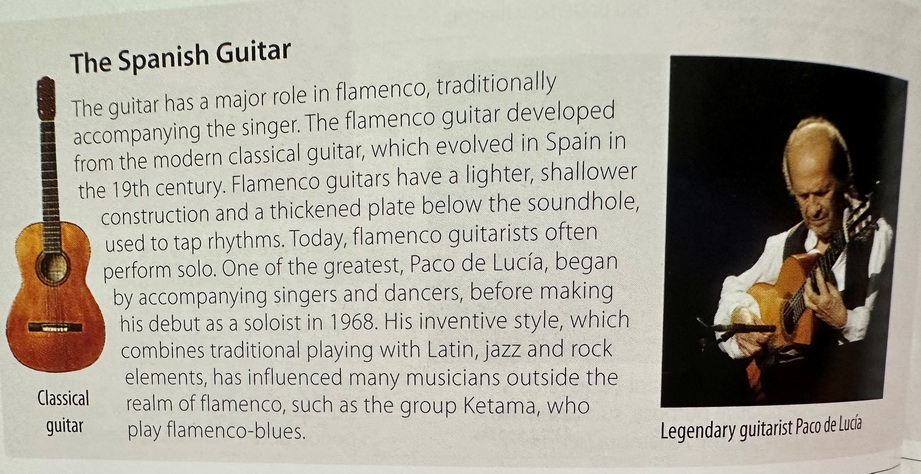
BULL FIGHT
|
|
|
|
SINGAPORE
✈BARCELONA
Meal
on Board
Day 2 BARCELONA
Montjuïc Hill
- A
hill in
Barcelona offering
panoramic city
views, home
to attractions like Montjuïc
Castle, Olympic
Stadium, and gardens.
Sagrada Familia
- A famous basilica designed by Antoni Gaudí, known for its unique
architecture and ongoing construction since 1882. (Entrance
Included)
National Museum
- The National Museum of Art of Catalonia features a vast collection
of Catalan art, including Romanesque murals and Gothic pieces.
Olympic Stadium
- Built for the 1992 Summer Olympics, it
now
hosts
sporting
events,
concerts,
and
cultural
activities. Las
Ramblas - A lively street in central Barcelona, famous for shops,
cafes, street performers, and landmarks like La Boqueria Market.
La Roca Village Outlet
- is a popular shopping destination located in La Roca del Vallès,
just outside of Barcelona, Spain
HOTEL:
FRONT AIR CONGRESS
Day
3 BARCELONA
Free Day
HOTEL : FRONT
AIR CONGRESS
Day
4 BARCELONA
-
VALENCIA
(
Seafood Paella Dinner + Wine
)B/D
Serrano City Gates - Medieval gates in Valencia, built in the 14th
century, marking the old city’s entrance.
Arts & Science Museum - A futuristic museum in Valencia’s City of
Arts and Sciences, showcasing science and culture.
Valencia Cathedral - A Gothic and Romanesque cathedral, home to the
Holy Grail, located in Valencia's old town.
HOTEL : MAS
CAMARENA
Day
5 VALENCIA
–
GRANADA
(
Flamenco Dance Dinner ) B/D
Alhambra Palace
-
A 13th-century Moorish palace in
Granada, famous
for its
intricate Islamic architecture
and
grand courtyards.
(Entrance Included)
Generalife
Gardens
-
Lush gardens with fountains and
flowerbeds, designed
to reflect
paradise, including the
renowned Generalife Gardens.
(Entrance Included).
HOTEL : LOS
ANGELES AND SPA
Day
6 GRANADA
-
CORDOBA
-
SEVILLE
B/D
Mezquita
- A mosque-cathedral in Córdoba, blending Islamic
and Christian architecture, famous
for its
red-and-white arches. (Entrance
Included)
Old Jewish Quarter
- A
historic area
in Córdoba
with narrow
streets, whitewashed houses, and landmarks like the Sinagoga de
Córdoba.
Giralda Tower
- A
former minaret
in Seville,
now part
of the Seville
Cathedral,
offering panoramic
city views.
(Entrance Included)
Seville Cathedral
- The
world’s largest
Gothic cathedral,
housing Christopher Columbus's tomb and the Giralda
Tower.
Plaza de España
- A
grand plaza
in Seville,
built for
the 1929
exposition, with stunning architecture and tiled alcoves.
HOTEL : YIT VIA
SEVILLA MAIRENA
Day 7 SEVILLE
-
LISBON
(
Piri Piri Portuguese Dinner + Wine )
B/D
Jerónimo’s Monastery
- A 16th-century Manueline monastery in Lisbon, home to Vasco da
Gama’s tomb and a UNESCO site.
Rossio Square
- A lively public square in Lisbon, known for its fountains, tiles,
and historic significance.
Discoveries Monument
- A monument in Lisbon honoring Portugal's explorers, including
Vasco da Gama, along the Tagus River.
Belém Tower
- A 16th-century fortress in Lisbon, symbolizing Portugal’s maritime
history, with views of the Tagus River.
HOTEL : HOLIDAY
INN LISBON
Day 8 LISBON
-
FATIMA
–
PORTO (Cataplana
Rice Dinner + Wine ) B/D
Sanctuary of Fátima -
A major Catholic pilgrimage site in Portugal, dedicated to the
Virgin Mary, attracting millions of visitors each year.
Luis I Bridge
- A double-deck iron bridge in Porto, offering breathtaking views of
the Douro River and city.
Porto Cathedral
- One of Porto's oldest landmarks, featuring Romanesque architecture
and panoramic city views.
Porto Stock Exchange Palace
- A neoclassical building with ornate interiors, including the
famous Arab Room, now used for cultural events.
HOTEL : CENTRAL
PARQUE HOTEL
Day 9 PORTO - SALAMANCA
B/D
Salamanca Cathedral
- A beautiful blend of Gothic and Baroque
architecture,
featuring two connected
cathedrals with intricate carvings and stunning interiors.
Salamanca University -
One of
Europe’s oldest
universities, famous for its Plateresque façade and the
iconic Frog of Salamanca
sculpture.
Plaza Mayor
- A historic central square surrounded by arcades and cafes,
known for
its lively
atmosphere and beautiful
architecture
HOTEL : GRAN
HOTEL CORONA SOL
Day
10 SALAMANCA
-
AVILA
-
SEGOVIA
-
MADRID
B/L
Ávila Fortress
- A well-preserved medieval wall encircling Ávila, offering stunning
views and a glimpse into the past. Roman Aqueduct - A 1st-century
Roman engineering marvel in Segovia, famous for its perfectly
preserved arches.
Segovia Cathedral
- A Gothic cathedral in Segovia, known for its beautiful stained
glass and intricate sculptures.
Alcázar of Segovia
- A fairytale castle in Segovia with stunning
towers, royal
chambers, and
panoramic views.
HOTEL : PRAGA
HOTEL
Day 11 MADRID
B/L
El Corte Inglés
- Spain's largest department store chain, offering a wide
variety of products, from fashion to
electronics.
Royal Palace
- The
official residence of Spain's
royal family,
featuring luxurious rooms and gardens, open to the public.
HOTEL : PRAGA
HOTEL
Day 12 MADRID
✈
SINGAPORE
EXCURSIONS:
MADRID - TOLEDO E69
BARCELONA- SANTUARY OF MONTSERRAT/ LUNCH -E120
LISBON- CABO DA ROCA-SINTRA - E79
|
|
1
新加坡-巴塞罗那
2
巴塞罗那
晚餐
蒙特惠奇⼭
-
巴塞罗那的⼀座⼭丘,提供全市的全景,是蒙特惠奇城堡、奥林匹克体育场和花园等景点的所在地。
圣家堂
-
由安东尼•⾼迪设计的著名⼤教堂,以其独特的建筑⻛格和⾃1882年以来仍在建设中⽽闻名。(⻔票包含)
国家博物馆
-
加泰罗尼亚艺术国家博物馆拥有丰富的加泰罗尼亚艺术收藏,包括罗曼式壁画和哥特式作品。
奥林匹克体育场
-
为1992年夏季奥运会建造,现⽤于举办体育赛事、⾳乐会和⽂化活动。
兰布拉⼤道
-
巴塞罗那市中⼼的热闹街道,以商店、咖啡馆、街头艺⼈和博克利亚市场等地标⽽闻名。
拉罗卡村购物中⼼
-
的⼀家⾼端品牌折扣购物中⼼,提供众多奢侈品牌商品,以优惠的价格吸引购物者。
3
巴塞罗那
早餐
⾃由活動
4
巴塞罗那-
⽡伦西亚
早餐/晚餐
塞拉诺城⻔
-
建于14世纪的中世纪城⻔,标志着⽡伦西亚旧城的
⼊⼝。
艺术与科学博物馆
-
位于⽡伦西亚艺术与科学城的未来主义博物馆,展⽰科学和⽂化。
⽡伦西亚⼤教堂
-
⼀座哥特式和罗⻢式的教堂,位于⽡伦西亚旧城,是圣杯的所在地。
5
⽡伦西亚-
格拉纳达
早餐/晚餐
阿尔罕布拉宫
-
⼀座位于格拉纳达的13世纪摩尔⻛格宫殿,以精美的伊斯兰建筑和宏伟的庭院闻名。(⻔票包含)
宫殿花园
-
设计为反映天堂的郁郁葱葱的花园,拥有喷泉和花坛,其中包括著名的赫内拉利费花园。(⻔票包含)
6 格拉纳达-
科尔多⽡-
塞维利亚
早餐/晚餐梅斯基塔
-
位于科尔多⽡的清真寺⼤教堂,融合了伊斯兰和基督教建筑⻛格,以红⽩相间的拱⻔闻名。(⻔票包含)
犹太⼈街
-
科尔多⽡的历史区域,拥有狭窄街道、⽩⾊房屋以及像科尔多⽡犹太教堂这样的地标。
吉拉尔达塔
-
塞维利亚的前清真寺宣礼塔,现在是塞维利亚⼤教堂的⼀部分,提供全市的全景。(⻔票包含)
塞维利亚⼤教堂
-
世界上最⼤的哥特式⼤教堂,安葬着哥伦布的遗体,并包含吉拉尔达塔。
西班⽛⼴场
-
塞维利亚的宏伟⼴场,建于1929年博览会,拥有壮丽的建筑和镶嵌省份图案的壁龛。
7 塞维利亚-
⾥斯本
早餐/晚餐
热罗尼莫斯修道院
-
位于⾥斯本的16世纪曼努埃尔式修道院,安葬着⽡斯科•达伽⻢的遗体,且为联合国教科⽂组织世界遗产。
罗西欧⼴场
-
⾥斯本热闹的公共⼴场,以喷泉、瓷砖和历史意义著称。
发现纪念碑
-
位于⾥斯本的纪念碑,纪念葡萄⽛的探险家,包括
⽡斯科•达•伽⻢,沿塔霍河⽽建。
⻉伦塔
-
⾥斯本的16世纪堡垒,象征葡萄⽛的海洋历史,俯瞰塔霍河。
8 ⾥斯本-
法蒂玛-
波尔图
(Cataplana
Rice Dinner + Wine)早餐/晚餐
法蒂玛圣地
-
葡萄⽛重要的天主教朝圣地,奉献给圣⺟玛利亚,每年吸引数百万游客。
路易斯⼀世⼤桥
-
⼀座双层铁桥,横跨波尔图的杜罗河,提供壮丽的城市和河流景观。
波尔图⼤教堂
-
波尔图最古⽼的地标之⼀,具有罗曼式建筑⻛格,并提供全景城市景观。
波尔图股票交易所宫殿
-
⼀座新古典主义建筑,拥有华丽的内部装饰,包括著名的阿拉伯厅,⽬前⽤于⽂化活动。
9
波尔图-
萨拉曼卡
早餐/晚餐
萨拉曼卡⼤教堂
-
结合了哥特式和巴洛克式建筑⻛格,拥有两座相连的教堂,精美的雕刻和令⼈惊叹的内部装饰。
萨拉曼卡⼤学
-
欧洲最古⽼的⼤学之⼀,以其华丽的普拉特雷斯克⽴⾯和标志性的“萨拉曼卡⻘蛙”雕塑闻名。
⻢约尔⼴场
-
⼀座历史悠久的中央⼴场,四周被拱廊和咖啡馆环绕,以其热闹的氛围和美丽的建筑⽽著称。
10 萨拉曼卡-
阿维拉-
塞哥维亚-
⻢德⾥
早餐/午餐
阿维拉城墙
-
⼀座保存完好的中世纪城墙,环绕着阿维拉,提供壮丽的景⾊和对过去的瞥⻅。
塞⼽维亚罗⻢⽔道
-
位于塞⼽维亚的1世纪罗⻢⼯程奇迹,以其完美保存的拱⻔⽽闻名。
塞⼽维亚⼤教堂
-
⼀座位于塞⼽维亚的哥特式⼤教堂,以美丽的彩⾊玻璃窗和精致的雕塑⽽著称。
塞⼽维亚阿尔卡萨城堡
-
⼀座位于塞⼽维亚的童话城堡,拥有壮观的塔楼、皇家房间和全景视野。
11
⻢德⾥
早餐/午餐
西班⽛购物中⼼
-
西班⽛最⼤的百货商店连锁,提供从时尚到电
⼦产品的各种商品。
⻢德⾥王宫
-
西班⽛皇家宫殿,西班⽛王室的官⽅住所,拥有奢华的房间和花园,对公众开放。
格兰⼤道
-
是西班⽛⻢德⾥市最著名和标志性的街道之⼀,常被称为⻢德⾥的“百⽼汇”。
西⻉莱斯喷泉
-
这座喷泉由建筑师弗朗西斯科•古铁雷斯和雕塑家罗伯托•⽶歇尔于1782年设计建造。
太阳⻔⼴场
-
是⻢德⾥最热闹的区域之⼀,⽩天和夜晚都有丰富的商业、购物、餐饮和⽂化活动,是游客必去的⽬的地。
⻢约尔⼴场
-
市最具历史意义和标志性的⼴场之⼀,位于市中
⼼。⼴场最初建于16世纪,由菲利普⼆世国王下令修建。
圣⽶格尔市场
-
是⻢德⾥市⼀座历史悠久的市场,市场最初建于
1916年,以其美丽的铁制建筑和玻璃结构⽽闻名。
地亚哥•伯纳乌体育场
-
是西班⽛⻢德⾥市最具标志性的⾜球场之
⼀,也是世界上最著名的体育场之⼀,位于皇家⻢德⾥⾜球俱乐部的主
12
⻢德⾥-
新加坡
早餐
|
Portugal -Spain
EU HOLIDAYS
IN-MADRID- OUT-BARCELONA
DAY -
BY - DAY
CNY 16-28
FEB 2026
13D10N Spain & Portugal (In MAD Out BCN)
EUROPE - SPAIN -PORTUGAL COSTINGS
TOUR
$3,388 TAX 750 =$4,138 LESS$ 75= $4,063 PER PAX
TIPS > EURO 104
EXCURSION-TOLEDO > EURO 65
FLEMENGO SEVILLE > EURO 55
MONSERRAT BARCELONA > EURO 79
CABO DAROCA -SINTRA LISBON > EURO 75
TOTAL EURO 378 PER PAX
TOTAL 2 PAX = $8,126 + S$1,126=
$9,252
Suntec Singapore
Convention & Exhibition Centre
1 Raffles Boulevard, Level 2 Crescent 2, Singapore 039593
(Beside link bridge to Marina Square / Opposite Don Don Donki)
Sales Office: (+65) 6958-8888
EU Holidays - Tour Briefing - Tour Code: 02ESMADW16/26QR - Booking Ref
:WB250800111
EU
Holidays Pte Ltd
Paynow (UEN): 201022285W
Reference - EU Holidays Booking Reference Number or Your name as per
passport.
(Please
screenshot "TRANSACTION ID" and WhatsApp to your booking staff to check
or customerservice@euholidays.com.sg so that we can issue you an
official receipt.)
|
|
FLIGHTS
|
|
Airlines |
Flights |
Date |
ETD |
ETA |
Remarks |
|
QATAR AIRWAYS |
QR 947 |
16 FEB 2026 |
2015 PM |
2315 PM |
SG-DOHA |
|
QATAR AIRWAYS |
QR 147 |
17 FEB 2026 |
0100 AM |
0635 AM |
DOHA- MAD |
|
QATAR AIRWAYS |
QR 142 |
27 FEB 2026 |
2215 PM |
0615+1 AM |
BCN- DOHA |
|
QATAR AIRWAYS |
QR 944 |
28 FEB 2026 |
0825 AM |
2115 PM |
DOHA- SG |
|
HOTELS |
|
17
Feb-19 Feb |
19-20 Feb |
20-21 Feb |
21-23 Feb |
23-24 Feb |
24-25 Feb |
25-26 Feb |
26-27 Feb |
|
SERCOTEL ALCALA
611
C.
Alcala, 611,
San Blas-Canillejas, 28022 Madrid, Spain
|
EXE
SALAMANCA
C/Alava 8-14 Salamanca
37001
Spain
|
HF IPANEMA
PORTO
RUA DO
CAMPO ALEGRE
156 4150-169
PORTO |
HF FENIX URBAN
Av. Antonio Augusto de Aguiar 14 1050-016 Lisboa
|
MA SEVILLA CONGRESOS
Av. Alcalde Luis Urunuela 2 41020 Sevilla Spain
|
ABADES NEVADA PALACE
Calle de la Sultana 3 18008 Granada Spain
|
EUROSTARS ACTEON VALENCIA C/ de Vincente Beltran Grimal, 2, Camins
al Grau 46023 valencia Valencia Spain |
FIRA CONGRESS
Poligono Industrial de la Pedrosa, C. de Jose Agustfn Goytisolo, 9, 11,
08908
L'Hospitaletde Llobregat,Barcelona, Spain
|
|
Tel: +34 917 434
130 |
 Tel:
+34 923
261
111 Tel:
+34 923
261
111
|
Tel: (+351) 226
075 059 |
Tel: +351 21 351
5000 |
Tel: +34 954 25
90 00 |
Tel: +34 902 22
25 70
|
Tel: +34 962 69
83 84 |
Tel: +34 932 67
1800
|

|
CONTACT US
:

Email : snowball_empire@yahoo.com
disclaimer
This web
site contains links to other web sites, some of which may have "pop up" ads.
(Click
here
for information on how to avoid these) - we have no control over
them. Much of the data inputs
are from travel experience obtained from third party sources for which we
assume no responsibility.
Use links to these web sites because of the useful information and
resources contained in them.
We accept no liability for any errors or inaccuracies resulting from
your use of these features , web sites and links.
We make every effort to be accurate
and avoid errors, typographical or others, but cannot be responsible if any
appears. The inclusion of a
link to other website(s) does not imply any form of endorsement by us. We
also do not endorse or edit any company news or research reports that appear
on this website.
|
|

_resize.jpg)
_resize.jpg)
_resize.jpg)
_resize.jpg)
_resize.jpg)
_resize.jpg)
_resize.jpg)
_resize.jpg)
_resize.jpg)
_resize.jpg)
_resize.jpg)
_resize.jpg)
_resize.jpg)
_resize.jpg)
_resize.jpg)
_resize.jpg)
_resize.jpg)
_resize.jpg)
_resize.jpg)
_resize.jpg)
_resize.jpg)
_resize.jpg)
_resize.jpg)
_resize.jpg)
_resize.jpg)
_resize.jpg)
_resize.jpg)
_resize.jpg)
_resize.jpg)
_resize.jpg)
_resize.jpg)
_resize.jpg)
_resize.jpg)
_resize.jpg)
_resize.jpg)
_resize.jpg)
_resize.jpg)
_resize.jpg)
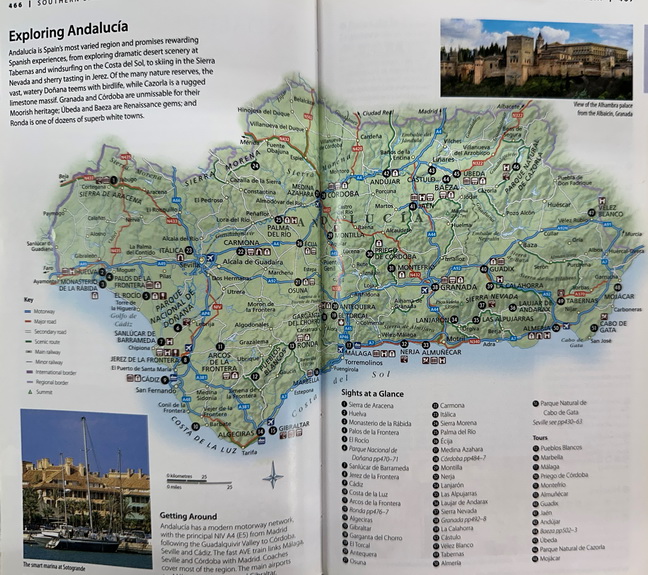
_resize.jpg)
_resize.jpg)
_resize.jpg)
_resize.jpg)
_resize.jpg)
_resize.jpg)
_resize.jpg)
_resize.jpg)
_resize.jpg)
_resize.jpg)
_resize.jpg)
_resize.jpg)
_resize.jpg)
_resize.jpg)
_resize.jpg)
_resize.jpg)
_resize.jpg)
_resize.jpg)
_resize.jpg)
_resize.jpg)
_resize.jpg)
_resize.jpg)
_resize.jpg)
_resize.jpg)
_resize.jpg)
_resize.jpg)
_resize.jpg)
_resize.jpg)
_resize.jpg)
_resize.jpg)
_resize.jpg)
_resize.jpg)
_resize.jpg)
_resize.jpg)
_resize.jpg)
_resize.jpg)
_resize.jpg)
_resize.jpg)
_resize.jpg)
_resize.jpg)
_resize.jpg)
_resize.jpg)
_resize.jpg)
_resize.jpg)
_resize.jpg)
_resize.jpg)
_resize.jpg)
_resize.jpg)
_resize.jpg)
_resize.jpg)
_resize.jpg)
_resize.jpg)
_resize.jpg)
_resize.jpg)
_resize.jpg)
_resize.jpg)
_resize.jpg)
_resize.jpg)
_resize.jpg)
_resize.jpg)
_resize.jpg)
_resize.jpg)
_resize.jpg)
_resize.jpg)
_resize.jpg)
_resize.jpg)
_resize.jpg)
_resize.jpg)
_resize.jpg)
_resize.jpg)
_resize.jpg)
_resize.jpg)
_resize.jpg)
_resize.jpg)
_resize.jpg)
_resize.jpg)
_resize.jpg)
_resize.jpg)
_resize.jpg)
_resize.jpg)
_resize.jpg)
_resize.jpg)
_resize.jpg)
_resize.jpg)
_resize.jpg)
_resize.jpg)
_resize.jpg)
_resize.jpg)
_resize.jpg)
_resize.jpg)
_resize.jpg)
_resize.jpg)
_resize.jpg)
_resize.jpg)
_resize.jpg)
_resize.jpg)
_resize.jpg)
_resize.jpg)
_resize.jpg)
_resize.jpg)
_resize.jpg)
_resize.jpg)
_resize.jpg)
_resize.jpg)
_resize.jpg)
_resize.jpg)
_resize.jpg)
_resize.jpg)
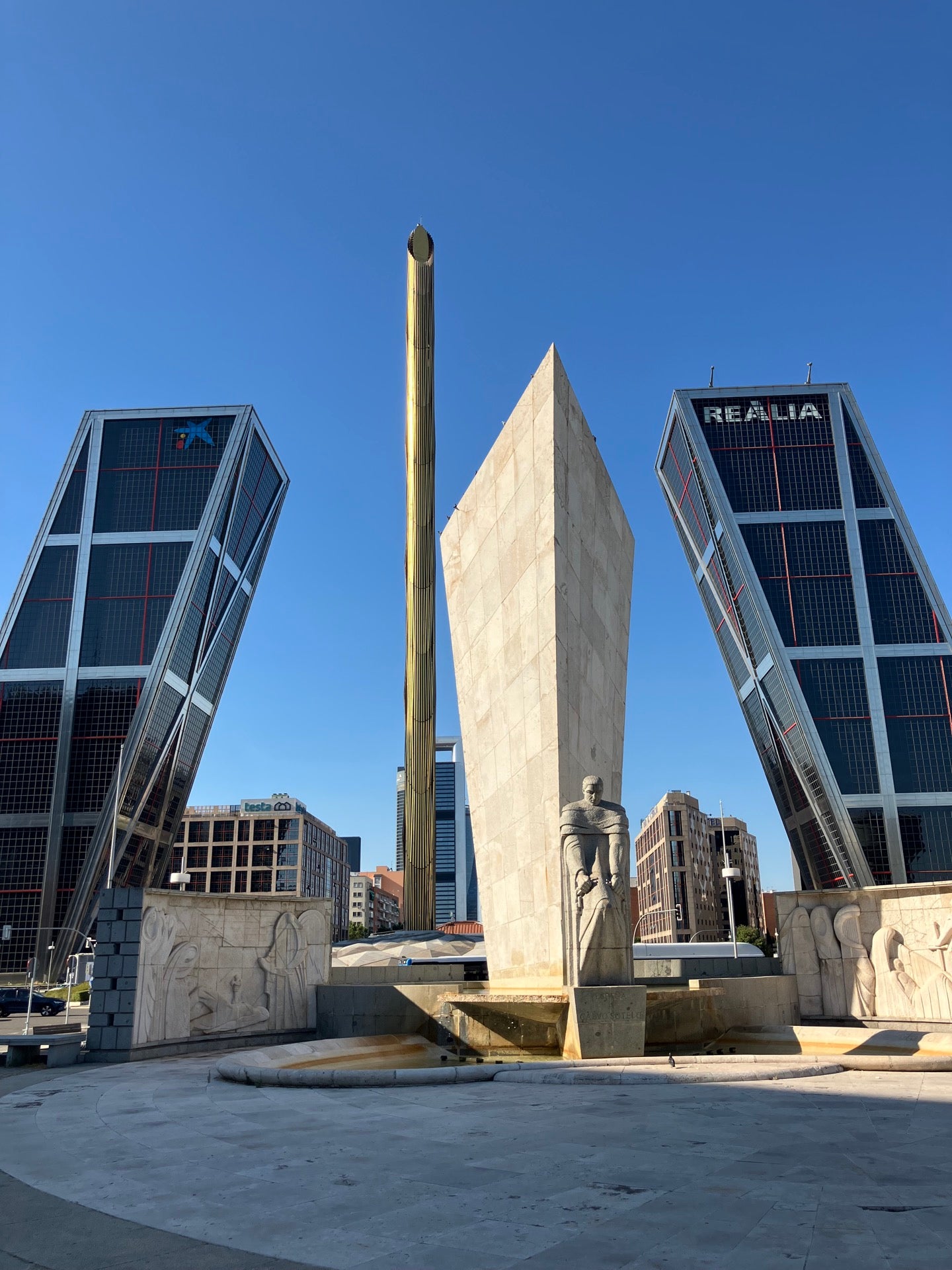


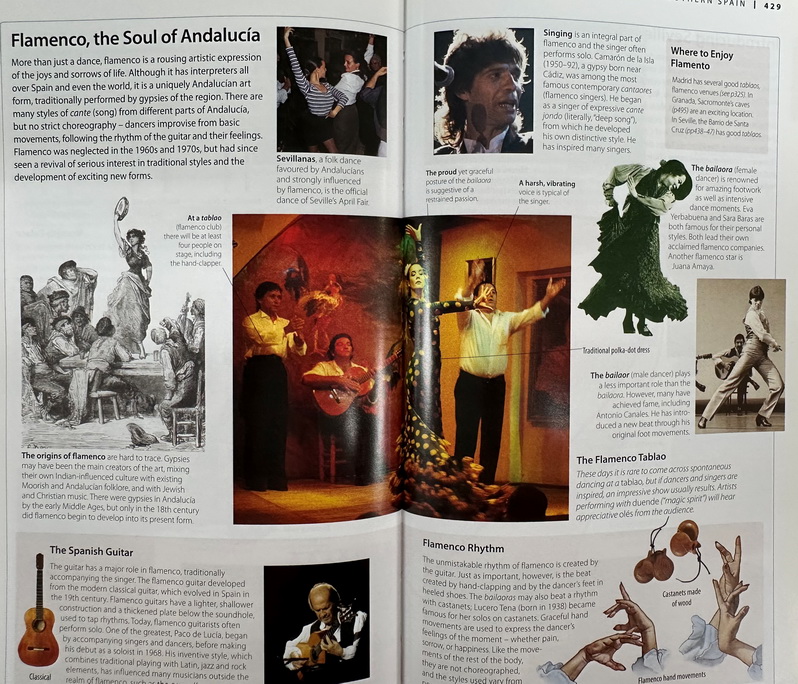
_resize.jpg)
_resize.jpg)
_resize.jpg)
_resize.jpg)
_resize.jpg)
_resize.jpg)
_resize.jpg)
_resize.jpg)
_resize.jpg)
_resize.jpg)
_resize.jpg)
_resize.jpg)
_resize.jpg)
_resize.jpg)
_resize.jpg)
_resize.jpg)
_resize.jpg)
_resize.jpg)
_resize.jpg)
_resize.jpg)